Posted: November 1st, 2010 | Author: Finn | Filed under: Interviews English | Tags: Interview, Oliver Ho, Psychick Wariors Ov Gaia, Raudive, Rewind, Ricardo Villalobos | No Comments »

In discussion with Oliver Ho on “Psychick Rhythms Vol. 1” (1993).
Were you already familiar with the Psychick Warriors Ov Gaia, or was “Psychick Rhythms Vol. 1″ your first encounter with their music?
I was already familiar with their music, I think the first thing I had heard was the album, “Ov Biospheres and Sacred Grooves”. The thing on that album that really struck me was “Linkage”. The way they sampled Egyptian rhythms, and the fact that the track was purely made up of rhythms in a very stripped back way, that were also at a slow bpm. It had a purity and a different edge, very tribal, not techno or house in style at all.
Why did you choose this particular release out of their back catalogue? What made, or still makes, it so special for you? Is it a blueprint for aspects that interest you in electronic music?
The thing about this release that struck me at the time and what continues to be relevant to me is the is the purity of intention. It was an attitude towards music as ‘magick’ that was inspirational. The idea that a particular rhythm is like a spell, something that isn’t just about entertainment, but is operating on a more powerful level. There is a message on the record sleeve artwork that reads: “Warning! This object has nothing to do with art or artificial intelligence. This double package (12″ version) was designed for mixing, for breaks, for possession, for collectors.” This seemed to articulate that there were was something inside the music, that was waiting to released, some kind of energy, that had been placed there by the makers… Read the rest of this entry »
Posted: October 25th, 2010 | Author: Finn | Filed under: Interviews Deutsch | Tags: Berlin, Depeche Mode, Deutsch Amerikanische Freundschaft, Front, Gabi Delgado, Interview, Marcel Dettmann, Rewind, Robert Görl, Suicide | No Comments »

Im Gespräch mit Marcel Dettmann über “Ich und die Wirklichkeit” von Deutsch Amerikanische Freundschaft (1981).
Die entscheidende Frage zuerst, wie bist Du zu DAF gekommen?
Ich komme aus dem Ostteil Deutschlands, und nachdem man zu DDR-Zeiten nur Depeche Mode, Madonna oder Prince hatte, die richtig dicken Pop-Acts, kam kurz nach der Wende ein ganzer Schwall von Musik, wie z. B. auch DAF, Throbbing Gristle oder Front 242, später auch Nitzer Ebb. Der Bruder eines Freundes von mir hat uns ständig mit CDs ausgerüstet, da war ich 12, und habe das erste Mal DAF gehört und fand das total verrückt.
Du hattest vorher nie von ihnen gehört?
Nein. Ich hatte vorher Ultravox, Erasure oder Depeche Mode gehört. Poppige Sachen. Und dann kamen DAF oder auch Nitzer Ebb, was ja artverwandt ist, sie waren ja quasi die englische Version von DAF. Wir hörten „Der Räuber und der Prinz“ und „Der Mussolini“ auch im Jugendclub, der von vier Uhr nachmittags bis abends um zehn offen hatte. Dort wurde in Runden gespielt, eine Runde für die Hip-Hopper, eine Runde für die Elektronikleute usw. Read the rest of this entry »
Posted: October 18th, 2010 | Author: Finn | Filed under: Interviews English | Tags: Bill Drummond, Fantastikoi Hxoi, Interview, Jimmy Cauty, Rewind, The KLF, The Orb, The Sex Pistols | No Comments »

In discussion with Fantastikoi Hxoi on “The White Room” by The KLF (1991).
What introduced you to the KLF? Were you already familiar with their previous incarnations as Justified Ancients Of Mu Mu or The Timelords, or did it start with their period from KLF onwards?
Well, I was something like twelve years old when “The White Room” broke internationally. I remember the “Last Train To Trancentral” video coming on after Paula Abdul on TV. I was like “ok, this is different”. It was a bit spooky to my young mind to be honest, all that faux-ritualistic imagery – and the music was equally gripping. Some years later I discovered The Orb and re-discovered the KLF and all their previous incarnations. Slowly I started to realise what they were really about.
Considering that “What Time Is Love?” was already released in 1988, would you say that The KLF introduced rave to dance music with all the according signals, stadium noises and such, or did they pick up on developments that were already there? Did they actually relate to a timeline in dance music?
As far as I can tell, they are one of the first underground rave acts that brought this kind of music (or elements of it) to the mainstream, complete with conceptual visual imagery and a certain philosophy. And ‘mainstream’ of course, is not 20.000 punters in a field in the UK. It’s a 12-year-old in Greece, on telly. Read the rest of this entry »
Posted: October 11th, 2010 | Author: Finn | Filed under: Interviews Deutsch | Tags: Aera, Berlin, Interview, Leonard Cohen, Radio, Ralf Schmidt, Rewind | No Comments »
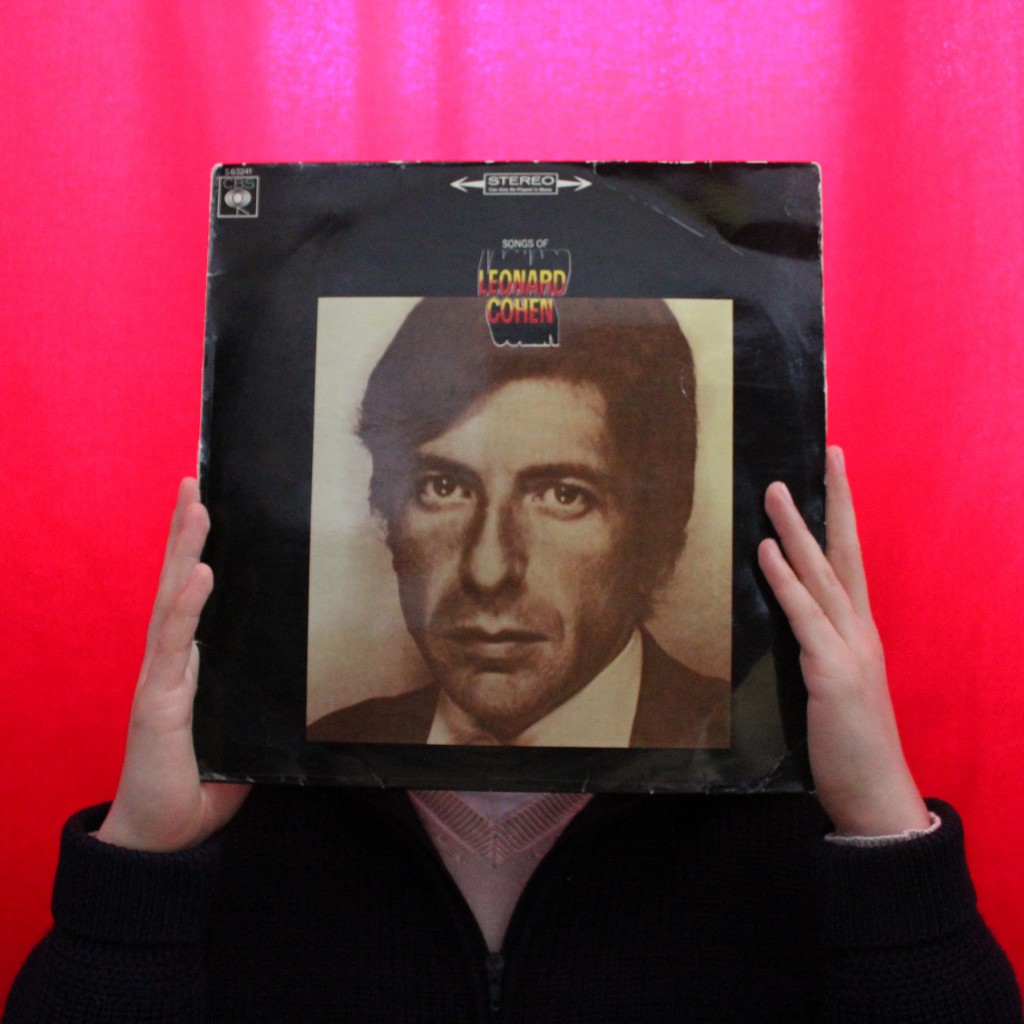
Im Gespräch mit Ralf Schmidt über “Songs Of Leonard Cohen” von Leonard Cohen (1967).
In jüngeren Jahren kannte ich Leonard Cohen weitestgehend aus dem Radio, meine Mutter hatte zwar Platten von ihm, die ich aber lange Zeit ignoriert habe. War es bei Dir auch so eine Inspiration aus der elterlichen Plattensammlung?
Definitiv, das war eine der ersten Sachen mit denen ich musikalisch in Berührung kam, schon als sehr kleines Kind. Vor allem meine Mutter hörte und hört immer noch gerne seine Musik. Diese frühe Prägung ist sicherlich einer der Gründe, weshalb mich die Musik von Leonard Cohen so berührt. Natürlich hatten meine Eltern auch noch andere Platten im Schrank stehen, die mir nicht so sehr ans Herz gewachsen sind – es gibt also noch andere Gründe, aus denen ich mich für Cohen so begeistern kann. Welche das sind – ich kann es nicht genau sagen. Ich glaube auch, wenn ich es genau wüsste, wäre die Begeisterung nicht so groß. Die wirkliche Beschäftigung mit Cohen kam auch erst, nachdem ich schon lange von zu Hause ausgezogen war. Damals gab es für mich eigentlich nur HipHop, Soul & Funk und elektronische Musik.
Auch wenn man sich anfänglich nicht für Leonard Cohen interessiert, wenn man ihn einmal gehört hat, erkennt man ihn sicherlich immer wieder. Seine Stimme, und seine Art Songs zu schreiben sind schon sehr eigen. Was macht ihn für Dich so besonders? Sind es bestimmte Einzelteile, oder ist es ein Gesamtbild?
Rein musikalisch ist es natürlich als aller erstes seine Stimme, die einen hohen Wiedererkennungswert hat – eigentlich keine im traditionellen Sinne besonders “schöne” Singstimme. Es ist oft eher eine Art Sprechgesang, nicht immer genau im Takt, manchmal fast schon brüchig. Zudem ist seine Art und Weise, mit Melodien und Harmonien umzugehen sehr eigen. Besonders in der Anfangsphase waren seine Arrangements auf den ersten Blick sehr minimalistisch, nur wenige Elemente, meist Akustikgitarre, Streicher, Frauenchöre und sparsam eingesetzte Rhythmuselemente, die jedoch in ihrem Zusammenspiel eine unheimliche Dichte erzeugen. Bei genauerem Hinhören kann man dann jedoch in beinahe jedem dieser Stücke versteckte Schichten freilegen, Effekte, leise Geräusche, teilweise sogar synthetisch anmutende Klänge. Was ihn zudem für mich einzigartig macht, ist seine Fähigkeit, seine Texte, obwohl voll von Metaphern und Bildern, dennoch sehr offen zu halten und dem Hörer die Möglichkeit zu geben, sein eigenes Leben in die Lieder hineinzulegen – ohne dabei beliebig zu wirken. Read the rest of this entry »
Posted: October 4th, 2010 | Author: Finn | Filed under: Interviews English | Tags: August Darnell, Dr. Buzzard’s Original Savannah Band, Horse Meat Disco, Interview, Luke Howard, Rewind, ZE Records | No Comments »
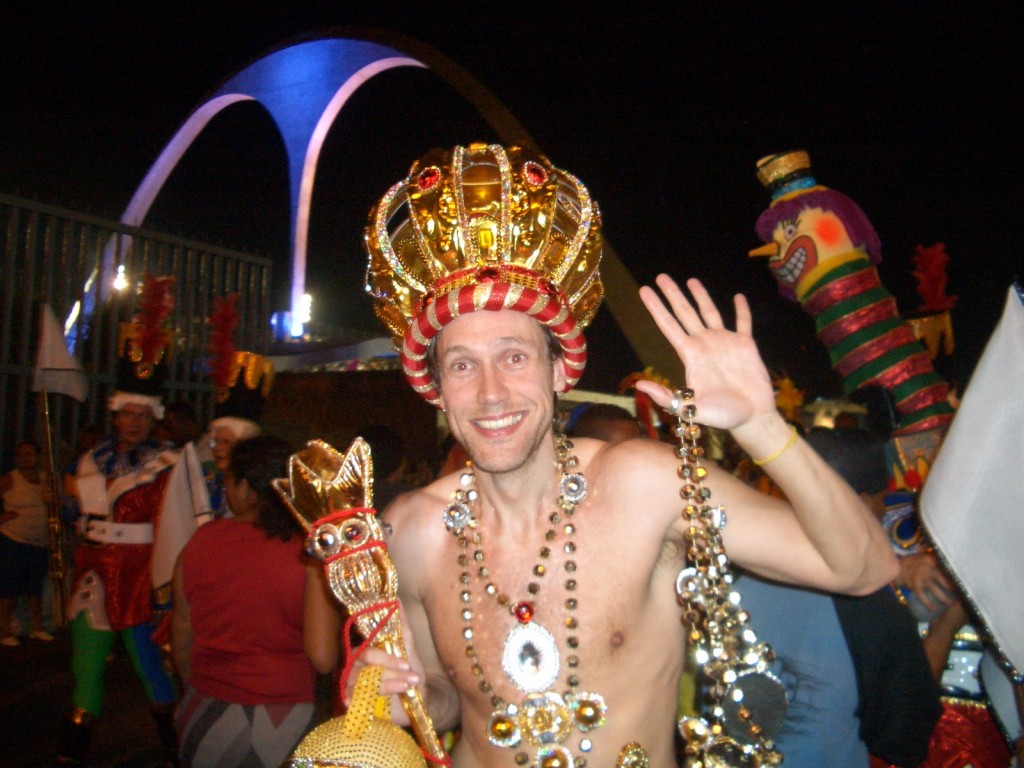
In discussion with Luke Howard on “Dr. Buzzard’s Original Savannah Band” by Dr. Buzzard’s Original Savannah Band (1976).
I first fell in love with Kid Creole & The Coconuts in the 80s and then discovered “Dr. Buzzard’s Original Savannah Band” a few years later because August Darnell was involved with it. How was your first time with the band and album?
I came quite late to the album. It was 1991. I was talking with two older friends about our favourite disco artists and they mentioned Dr. Buzzard’s and I hadn’t heard of them, so I quickly found myself a copy. I had known of Kid Creole and Coati Mundi (August Darnell and Andy Hernandez) much earlier, as my sister had been to New York in 1981 and brought back copies of the ZE Records compilation Seize The Beat and the second Kid Creole & The Coconuts album. Also, Kid Creole and the Coconuts went on to be really commercially successful in the UK and they did loads of touring here in the 1980’s. But I’d never heard of Doctor Buzzard until much later.
“Dr. Buzzard’s Original Savannah Band” had a few songs that became notable single successes, but somehow I always thought they worked best being listened to in the context of the whole album. Can you separate the songs from one another? Are there ups and downs?
I think you can separate the songs from each other, yes. They’re all standout songs in my opinion – there’s no fillers on the album. “Sunshower” was big on the Balearic scene in the 90’s, “I’ll Play The Fool” and “We Got It Made” were big on the two-step soul scene in the mid 80’s and “Lemon In The Honey” and “Cherchez La Femme” are disco classics. However, I think it works wonderfully well as a whole album. It’s only seven songs and I think it’s perfect as an album. It’s in my top three favourite albums of all time (I’m not quite sure what the other two are). Read the rest of this entry »
Posted: September 27th, 2010 | Author: Finn | Filed under: Interviews Deutsch | Tags: Boris Dlugosch, Foremost Poets, Frankie Knuckles, Front, Interview, Junior Byron, Klaus Stockhausen, Michael Kummermehr, New Order, Radio, Rewind, Tony Humphries, Willi Prange | 2 Comments »
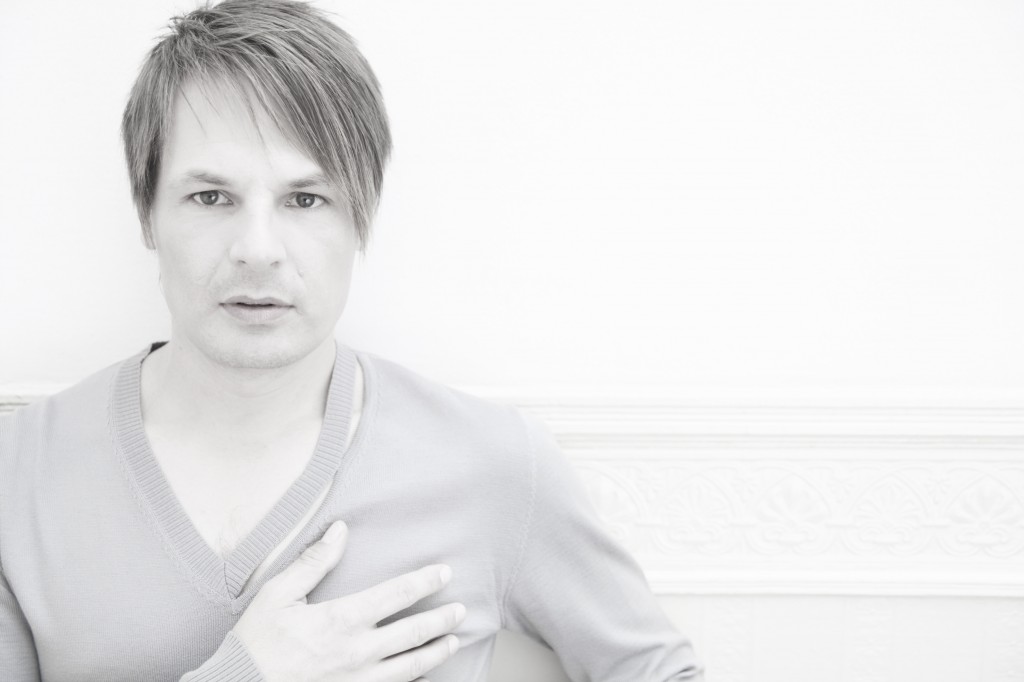
Im Gespräch mit Boris Dlugosch über “Dance To The Music” von Junior Byron (1983).
Hast Du Junior Byrons “Dance To The Music” zum ersten Mal gehört, als Du anfingst ins Front zu gehen?
Ich glaube, ich hatte den Titel zuerst auf einer Front-Cassette, die ich von einem Freund bekommen hatte. Also nicht ‘live’ im Front.
Du warst ja damals noch ziemlich jung. Wie bist Du eigentlich darauf gekommen dort hinzugehen? Hattest Du von Freunden gehört, dass man dort Musik zelebrierte, die Dir gefiel?
Also es war 1984, ich war 16 und die Schwester meines besten Freundes kannte den Kassierer des Front, Boris Breit. Er gab uns Front-Cassetten und hatte zwei Plattenspieler und ein Mischpult. Bei ihm zuhause verbrachten wir dann die Nachmittage nach der Schule und versuchten uns an seinen Plattenspielern und dem Mischpult. Er hatte vor allem Disco-Platten, kaufte aber auch fleißig aktuelleres Zeug bei Tractor-Schallplatten, dem damals besten Laden in Hamburg für Dance-Musik. Er hatte also die Musik, die im Front lief, bei ihm hörte ich die Sachen zuerst und dann wollte ich natürlich unbedingt einmal dorthin. Read the rest of this entry »
Posted: September 20th, 2010 | Author: Finn | Filed under: Interviews English | Tags: Berlin, Blitz Club, David Bowie, Depeche Mode, Interview, Kraftwerk, Rewind, Rusty Egan, Soft Cell, Talking Heads, The Human League, Visage | 3 Comments »

In discussion with Rusty Egan on “Low” and “Heroes” by David Bowie (1977).
I assume you got into the albums “Low” and “Heroes” at the time they were released, but were you already a fan of his before that?
Yes, since Ziggy Stardust.
David Bowie was always famous for continuously reinventing his career, but did this phase particularly appeal to you?
Bowie’s Berlin Years I believe were the foundation of The Blitz Club playlist. Via Bowie I found Kraftwerk, and that lead to Neu!, Can, Cluster and Krautrock as it was called, Bryan Ferry then led to the work of Brian Eno, and his Ambient series …all this music lead to the basis of my collection. If you join the dots Bowie, Eno, Iggy, Kraftwerk, Mick Ronson, Lou Reed. Read the rest of this entry »
Posted: September 13th, 2010 | Author: Finn | Filed under: Interviews Deutsch | Tags: Andy Partridge, Front, Interview, Rewind, Suicide, The Human League, Tobias Freund, XTC | No Comments »

Im Gespräch mit Tobias Freund über “Take Away/The Lure Of Salvage” von Andy Partridge (1980).
Auf Deiner Myspace-Seite steht, dass Du seit 1980 Musiker bist, das Jahr also, in dem “Take Away/The Lure Of Salvage” erschien. Ich nehme an, Du warst schon früh ein Fan von XTC?
Die erste Platte von XTC hab ich 1979 entdeckt, „Go 2“. Ich lebte damals in Frankfurt am Main und bin mit meinem Freund öfters nach der Schule in einen Plattenladen nach Offenbach gefahren. Es war einer der einzigen Läden zu der Zeit, der neue außergewöhnliche Platten verkaufte. Ich erinnere mich, dass es immer total spannend war in den Laden zu fahren, man hat immer irgendetwas Neues, Unbekanntes gefunden. Neben XTC hab ich unter anderem das „Black And White“-Album der Stranglers entdeckt, auch eine meiner damaligen Lieblingsplatten. Mich hat immer sehr das Artwork einer Platte angesprochen, ich hab mir des Öfteren platten “blind” gekauft, allein weil mir das Cover gefallen hat. Meistens bin ich nicht enttäuscht worden. Bei „Go 2“ war es genau so, das Cover hat mich gleich fasziniert, noch heute finde ich es eines der besten Artworks, simpel und effektiv. Weiße Schrift auf schwarzem Untergrund über die ganze Vorder- und Rückseite. In dem Text wird das Artwork erklärt und der Leser wird manipuliert die platte zu kaufen. Ich habe die Idee des Covers für die nsi.-Veröffentlichungen auf meinem Label Non Standard Productions aufgegriffen. Allerdings nur das Layout, Courier ist seitdem für mich der Punk unter den Fonts.
Waren XTC eine typische Band dieser frühen Post Punk-Phase, oder waren sie einzigartig?
Für mich waren XTC einzigartig, sie waren frischer, witziger und haben sich nicht zu ernst genommen, außerdem sind es unglaublich gute Musiker. Sie haben sich mehr getraut gewohnte Strukturen aufzubrechen, auf ihren Platten gab es immer Experimente. Zum Beispiel konnte Andy Partridge seine Stimme wie ein Instrument einsetzen, er hat versucht jedem Lied eine eigene Note zu geben, zornig, verrückt oder hysterisch. Read the rest of this entry »
Posted: September 6th, 2010 | Author: Finn | Filed under: Interviews Deutsch | Tags: Carl Craig, Depeche Mode, Interview, Kraftwerk, LFO, Radio, Rewind, Richard Zepezauer | No Comments »
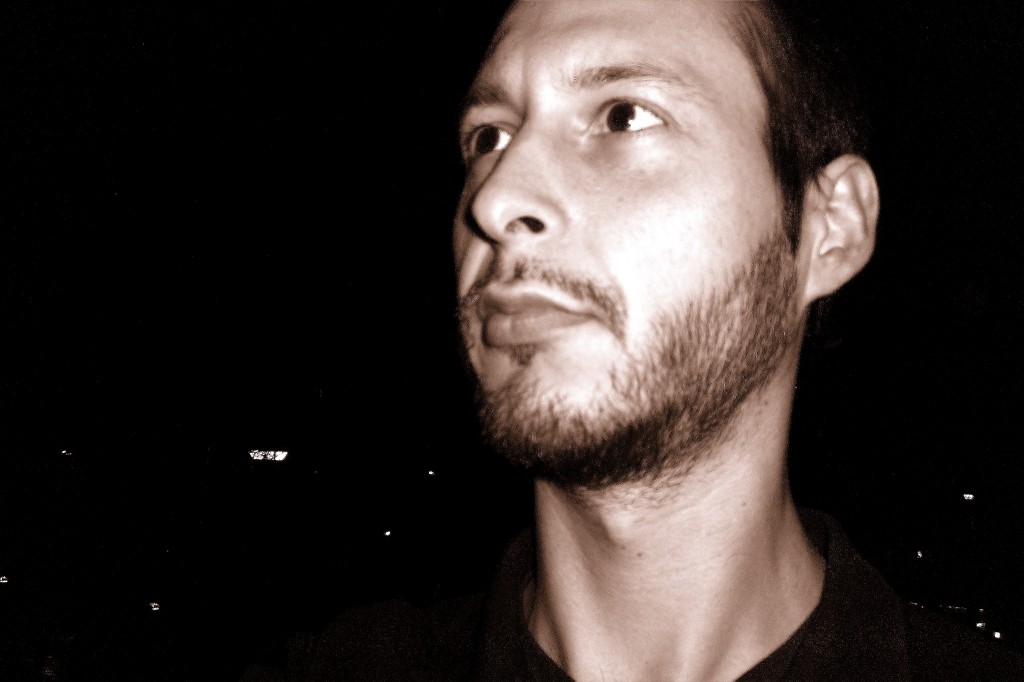
Im Gespräch mit Richard Zepezauer über “LFO” von LFO (1990).
“LFO” ist eine dieser Platten, die sich ganzen Generationen ins Gedächtnis gebrannt haben. Was war Dein “erstes Mal” mit dem Track?
An mein erstes Mal mit dem Track kann ich mich gar nicht so genau mehr erinnern, ich war damals 13/14 Jahre alt. Ich bin mir nicht mehr ganz sicher, ob ich es im Radio bei BBC gehört hatte, oder ob ich es quasi nachrecherchiert hatte, weil ich davon gelesen hatte, ich glaube es war im Radio gewesen.
Ich kann mich aber noch sehr gut an das absolut überwältigende Gefühl erinnern das entstand während ich den Track zum ersten Mal hörte. Als Musikliebhaber ist man ja irgendwie immer im Sisyphos-Modus auf der Suche nach dem perfekten Stück Musik, und bei dem Track hatte ich für eine kurze Zeit das Gefühl da ist es! Wie es halt so ist, hielt sich das absolute Gefühl nicht so lange, aber es ist bis heute einer der ganz wenigen Tracks geblieben, der für mich persönlich dem sehr sehr nahe gekommen ist und bis heute immer wieder neu auf die alte Art zu begeistern weiß. Der Hörgenuss war schon ziemlich vollgepackt, denn davon mal abgesehen dass „LFO“ von LFO mit seinem unwiderstehlichen melancholischen Futurismus eine Vielzahl von Gefühlen beim Hören aktiviert, wurde bei dem Track damals als Bonus noch ein Aha-Erlebniss mitgeliefert, denn so etwas hatte man wirklich noch nie vorher in dieser Form und Intensität gehört.
Hattest Du Warp Records damals schon als ein Label auf dem Radar, bei dem sich spannende Entwicklungen anbahnen würden?
Ja unbedingt! Ich war zwar noch kein fanatischer Fan dieses Stils der Bleeps und Clonks, aber Releases wie die Forgemasters “Track With No Name” oder DJ Mink “Hey Hey Can You Relate?” oder auch Nightmares on Wax mit “Dextrous” bzw. “A Case of Funk” haben bei mir schon früh die Kinnlade fallen lassen und zählten zu meinen damaligen Lieblingstracks. Trotzdem passierte damals in so vielen Bereichen elektronischer Club Musik Neues, dass zumindest ich, mit dem Wissen eines 13 Jährigen, das Potenzial des Labels schwer einordnen konnte. Es war eine Zeit, in der ununterbrochen eine revolutionäre Aufbruchstimmung bemerkbar war. Man konnte aber rückblickend schon erkennen das trotz schneller, von der Presse initiierten “Bleeps & Clonks” Hype-Schlagzeilen, etwas mit mehr Substanz als ein Zeitgeisttrend dahinter steckte. Read the rest of this entry »
Posted: August 30th, 2010 | Author: Finn | Filed under: Interviews English | Tags: Dave Mothersole, Depeche Mode, Front, Interview, Juan Atkins, Kraftwerk, Radio, Rewind | No Comments »
In discussion with Dave Mothersole on “Techno! The New Dance Sound Of Detroit” (1988).
You wrote in a recent article about the roots of the music played in Goa that you came back to the UK from there and found acid house in full swing. Did that connect with what you heard in India, or was it something else entirely?
It was the very start of acid house. I got back from India in March 1988 – Shoom was still at the fitness centre in Southwark (although I never went) and a month or two later Spectrum opened at Heaven on Monday nights.
It was different from what I’d experienced in India. In some ways it was more tame as people had to go back to work or college or whatever after the weekend or on a Tuesday morning after Spectrum, where as in Goa partying was a full time occupation for most people and therefore more extreme. Goa was like Mad Max with palm trees and techno – almost totally lawless in those days, so nothing compares to it really. I’d been there the previous season (86 / 87) too and I’d come back with all these stories about freaks dancing all night to music that sounded like one long track – like all the best music you’d ever heard with all the crap parts taken out. How it didn’t stop all night and how everyone was freaking out to it on acid and on this new drug called ecstasy. I think my friends back home all thought I was mad, but when acid house came out they were like ‘ok, I get you now’. So I was pleased that they finally knew what I was on about. There were things I didn’t like though, like the MCs. Partying in Goa was like a mystical, very psychedelic experience. Almost a spiritual thing and it was all about getting inside the groove and letting the music take over, so to have some guy shouting ‘hands in the air’ every few minutes as everyone faced in the same direction was a bit distracting. So in that way it was different.
The music was totally different too. The influence of the soul scene (where most of the DJs came from) was very strong so there where a lot of song based tracks with very soulful vocals. The themes were different as well – the famous Martin Luther King speech over Mr Fingers; Ce Ce Rogers ‘Someday’; ‘Promised land’ – these were all Black American themes – songs about the struggle for liberation and freedom. They translated perfectly to multicultural, 80’s England though. Before acid house black and white kids didn’t mix so much on the dance floor, there were exceptions but on the whole the clubs were either separate or divided. Acid house changed all that overnight and these songs, with lyrics about reaching the promised land and living together as one family had a very powerful resonance with the audiences. I think it was a tremendous relief for my generation to finally come together in this way. And this applied not just to the divisions between black and white, but also to class divisions and those that separated the various different youth cults. It was an amazing time – an entire generation taking the same drug at the same time. Listening to the same music, feeling the same emotions. My friends all went from wearing designer clothes and hanging out at the pub to clubbing every weekend in dungarees, purple kickers and long sleeve tops and hoodies with peace signs, smileys and flowers and stuff on them. Some of them even quit their jobs and started throwing parties, selling drugs, DJing – anything they could do that would let them carry on partying. It was a huge change and it happened really fast. By the summer of 88 loads of people were into it and come the summer of 89 it was massive. Huge parties, every club in the country playing house music, office workers out on Friday shouting ‘mental’, mainstream compilation albums full of acid house hits and 10 year old kids dressed like ravers.
Was it like hearing the roots in Goa, and then back in the UK, acid house seemed to be the next step musically?
I wouldn’t say the next step from Goa, as the scene in Goa existed in it’s own little bubble. Culturally, I was very pleased that we were the first country to take the concept of dancing to electronic music on ecstasy, and push it straight into the mainstream. This wasn’t a new concept – people had been doing it throughout the 80’s in Chicago, New York, in Dallas (at the Stark Club), in Ibiza and of course in Goa – but we kind of democratised it. You didn’t have to be a freak in India, a New York club kid or a jet set Ibiza type anymore. You could be an ordinary kid, you know, from pretty much anywhere in the UK. That was really cool.
Musically, house had been popular in England since 85 / 86. ‘Jack Your Body’ was number one in the pop charts in 86 for example, and ‘Love Can’t Turn Around’ was top five in the same year. So I was already familiar with house music and indeed it’s roots as I’d been into the soul scene before and had grown up dancing to records like D-Train’s ‘You’re The One For Me’, ‘Beat The Street’ by Sharon Redd and Sinnamon’s ‘Thanks To You’. And then the whole electro thing hit big in England, so yeah, it was the next step musically for sure, but it was ecstasy that made it explode in the way it did. Much as I was familiar with it though, house music could still be shocking. I remember standing in the queue outside Spectrum for the first time and hearing this thunderous acid track booming out of the club and thinking ‘fuck me, this music is dark’.
On the whole though, the music in Goa was far more foreign to me. I lived in Italy as a boy and went on holiday there most summers right up until I went to India, so I was familiar with italo disco, but that was my only reference point. That an a few Front 242, Yello and Nitzer Ebb records my brother had. It might sound strange but until acid house broke, European club music was very rare at parties in England. After acid house that all changed, first with stuff like A Split Second and Code 61, then later with all the R&S and Music Man stuff and after that the Frankfurt stuff and whatever. Pre acid house though, only a few gay clubs played euro beat (as we called it) so hearing it in Goa – particularly in the psychedelic way they played it there – was a complete revelation to me. Read the rest of this entry »



Recent Comments