Stefan Goldmann – A1
Posted: October 14th, 2016 | Author: Finn | Filed under: Macro | Tags: Stefan Goldmann | No Comments »
MACRO M50 – Stefan Goldmann – A1
MACRO M50 – Stefan Goldmann – A1


The next instalment of Acetate will once again exhibit selectors of world class calibre. David Kennedy aka Pearson Sound, who organises the night, errs towards the DJs who dedicate their time to collecting music, infrequently booking those who attempt to spin plates and produce music at the same time. The DJs’ heightened awareness of the vinyl record landscape seems to breed a uniquely rich atmosphere during the club night.
Alongside long time dubstep colleague, and one of the world’s most sought after selectors, Ben UFO, Kennedy has invited a bona fide head out to play in the Wire basement: music critic and Hard Wax staff member, Finn Johannsen. The German also runs Macro Recordings, Stefan Goldmann’s primary production outlet.
Finn is rarely seen by Brits out of his natural habitat of the Berlin record shop, and is normally only spotted in the by-line of an online electronic music article. So we thought we’d do a bit of investigative work and reverse roles. Here’s our interview with him:
What is the application like for a job at Hard Wax? How did you come to work there?
We get a lot of mails every week by people looking for a job at the store, but all current staff members were already regular customers or otherwise affiliated with Hard Wax before they started working there. Same with me. Six years ago I became father of a wonderful girl, and I realized that all the deadlines involved with freelance work did not work well with that. So I was thinking about adding some steadier work to my weekly schedule, and my wife suggested Hard Wax as an option. I tested ground and what I did not know at the time was that Prosumer was quitting the job, and they were looking for a replacement anyway. So I had a meeting with Michael Hain, the store manager, and Mark Ernestus, the owner, and started working there, all within a very short time.
It’s every young DJs dream to work in a record shop. Did you always know you’d work in one? What would you be doing if you weren’t there?
I worked in a second hand vinyl store when I was studying in the early 90s, but that was more to fund my own vinyl purchases. When I started DJing in the 80s I was not trying to get a job in a record shop, I only liked visiting them and it was that way for years. My focus at university was actually on film history, not music. But apart from a brief stint reviewing movies for De:bug magazine I never really did anything with that, nor did I really intend to. I also worked as an editor for art books a few years ago. But at some point I realized that it always fell back to activities connected to music, because it probably is what I know and do best. So I stuck with it. If I would not be there I would be doing something else, but it probably would have something to do with music as well.
What do you look for in a record when buying for Hard Wax?
Something new, or at least different. A personal signature. Ideas. Integrity. Attitude. When the record is referential I check if the references are used in a smart way, and if aspects are added that were not there before. I also take a good look at the proportion of value and money. I adjust my level of support for a release according to the level of how these criteria are met.
What led you to buy your first vinyl record? And what was it?
I started taping radio shows in the mid 70s, but I did not have enough pocket money to afford buying records then. But I already had a record player and I used to play records from my parents’ collection. When I was 9 years old, in 1978, I recorded Blondie’s Heart Of Glass and decided to buy it on 7“. When I entered the record store I just knew that I loved the song and her voice in particular, but I did not even know what she looked like. I was probably assuming that she had blonde hair, but not really that she looked that fabulous on the cover, and what she really was about. I probably learnt quite a few lessons about pop culture at once with that purchase, and soon I started spending nearly all the money I had on records.
We’ve just had record store day in the UK. Do you have any comment on it? Do you see it as a celebration or capitalisation of record buying culture?
It is the same in Germany, and I think it is the same all over the world. Which is why the recent negative implications of the event weigh in so heavily. Hard Wax decidedly never took part. We stated from early on that for us every day is a record store day, and that is basically it. But we feel the fallout from RSD as anybody else in the business nonetheless, especially the delays with the pressing plants, which affect our distribution as well, for example, and the releases we buy from other distributors. That has improved a bit lately, but it is still a tremendously hypocritical event, and that does not seem to improve. Nearly everybody’s trying to cash in now on a format that was willfully pronounced dead before, and nearly everything is blocked by back catalogue you can find around every corner, just in different layouts and for a much lesser price. Old wine in new skins. And the new grapes cannot be harvested because of it. It is totally absurd. There may have been some respectable thought implied with it once, but as soon as the major labels entered it predictably withered away into nothing. They want to gentrify vinyl into pricier artifacts instead, for customers that care more about the item itself than the music it contains. Read the rest of this entry »


How come you did 3 mixes for our podcast series?
The original idea was to record mixes for my wife to listen to in the car on her way to work. She loves anything UK and bass & breakbeats related, but I have not made a mix for her before with the styles contained here. It was meant to be one longer mix at first, but then I found too many tracks in the shelves I just had to include. It was the same with a 90s Deep House retrospective I did for Modyfier early last year. I’m afraid I cannot portion myself anymore. And I hope it does not become a habit, it really messed up my weekly schedule.
Can you tell us something about the concept behind every mix?
The concept is really simple. Mix 1 starts with 80 BPM, Mix 3 ends with 150 BPM, halftime though. The pace gradually increases in between, and the mixes are more sequenced then mixed. Predominantly for listening purposes, but feel free to move if you want to move. The music is a diverse mix of Grime, Hip Hop, R&B, Dubstep and affiliated sounds. As mentioned, the reason I chose these sounds were mainly motivated by my wife’s preferences, but recently I was also getting really fed up with the current high level of pretentiousness in club music. Every day I hear House and Techno music and I see designs and read track titles or concepts that are desperately pretending something but there is actually not much going on beneath the surface. There is some longing for intellectual weight and diffuse deeper meanings, but there is a considerable discrepancy between creative intention and creative result, and a disappointing display of conservative ideas in the process. I think a lot of the music you can hear in these mixes is not afraid to use commercial elements and turn them into something that is innovative and more forward-looking than other club music styles that want to be advanced, but in fact just vary traditional formulas. You may argue that lot of the tracks I have chosen sound similar to each other as well, but I would like to think of the listening experience as a whole, and that for me presents a much appreciated alternative. I do not think it is better than other music I am more associated with as a DJ, but for me it helps to look elsewhere as soon as routine creeps in. I usually regain patience with the sounds I am normally occupied with if I do so. But apart from a regular change of perspective, I also cannot listen to 4/4 club music more than I do for all my work commitments. That is more than enough. I like to reserve my little leisure time for music I do not know as well.
You’ve been heavily influenced by Hamburg’s legendary club Front. Do you think that a club nowadays can have such massive impact on local and even nationwide music scenes like back in the days when dance music was born?
I don’t think so. At least not until you can present a sound that is new. In that aspect Front is a good example. It existed from 1983 to 1997. Just think of all the new club music styles that occurred in that period of time, and then compare that to the last few years. Apart from Grime and Dubstep most new music played in clubs now is a variation of the music that came into being in said period. I am very grateful that I belong to the generation that could witness that directly on the floor. Pioneering days are always easier. Of course the combination of extraordinary DJs, a dedicated crowd and a unique location and interior will always work, but I think that in recent years a lot of clubs did not become widely known for paving the way for crucial musical developments. They became widely known for good bookings that make a difference and for being an outstanding attraction as a club itself. Clubs and DJs can still inspire new ideas and even change lives, but I doubt this now happens on more than an individual scale. I welcome the next lasting musical revolution in club culture though, it is overdue.
Macro has always been a very versatile sounding label covering new and almost forgotten releases. Who does what at Macro?
Stefan Goldmann concentrates on the manufacturing, mastering and administrative side of the label, I concentrate on how we communicate what we do to the outside world and the digital and virtual part of our catalogue. But we both decide what we want to release and with what artwork. And we are in constant touch with each other about every aspect running a label requires. There is no other way, at least not for us.
What are the future plans for the label?
We are constantly looking for new talents that we feel can add something other to the canon. Thus we signed the band KUF, whose first single is out while you are reading this. They are also working on their debut album, due later this year. And then we always appreciate new material by artists we already worked with. Elektro Guzzi for example are also working on a new album, others to be confirmed will follow suit. There will be new material from Stefan as well, which will probably draw from recent commissioned works. And there will be another album with compositions by Stefan’s father, the late Friedrich Goldmann. For the rest of the future, we just try to keep going as long as we enjoy to keep going.
You’ve written for the highly acclaimed but now gone German print magazine De:Bug. Do you miss it? What do you think of today’s dance music journalism?
I actually do miss it, yes. De:Bug offered content that other German music magazines do not offer, or do not want to offer. Every defunct print magazine takes away something that is not necessarily replaced. Not by other magazines, and also not by web media. And there are not enough websites in Germany that reach a wider readership. I can remember a lot of people sneering at the demise of De:Bug, they felt a print magazine was outdated anyway. But every media outlet passing away also diminishes the reach you can have with what you do. And in times when it is quite a struggle to make a living from whatever profession within the music industry, this is a problem. Unfortunately this struggle also changed today’s music journalism. For the worse, in my opinion. There is more clickbait controversy than well researched discourse. Occasional thinkpieces are presented as something exceptional, when they should be the norm. I notice a worrying increase in factual mistakes when I read print or web media these days. There probably is not enough budget for sufficient editing, but even if the small budget only allows freelancers and interns and only a few journalists on a monthly payroll, thorough supervision should be a must. Otherwise you can hardly justify that people should still buy a print magazine for example. And too much online music journalism is just a newsfeed. I get a lot of PR mails on a daily basis, and a lot of them I will find on websites only shortly later, too often without any own words added. Music journalism should offer individual perspectives and opinions, based on individual research. Else there is not enough to learn from it. I think it is a bit sad that a lot of interesting debates about music happen on social media, and they are not even sparked by interesting features in other media. A good music journalist should try to lead the way, and not vice versa. And in any case the traffic obligations should not lead the way either.
Back then journalists were always one step ahead and everyone relied on their reviews. Now you can stream everything via Soundcloud or preview via the shop websites. From your record shop buyer perspective: are record reviews still relevant for you?
Not really. I mostly order releases for Hard Wax weeks in advance before the according reviews are published. Web is usually quicker than print, but still most reviews are connected to actual release dates. The rest of the texts sent my way want to sell their product, they are not reviews per definition. But I always choose to remain as neutral as possible. I listen to the music first, and then I may read the accompanying text about it. In my experience as a buyer it is very advisable to follow your own instincts. I register the opinions of distributors, labels and early adopters, particularly if I think they are reliable. But they do not really influence my decisions what to buy, and in what quantity. That is a different reality.
Lowtec told us that they were calling Hard Wax from their telephone booth back in the 90s and that one of the sellers previewed them the tracks via phone. When and where did you started buying music and how did that change over the time?
I bought my first records in the mid 70s, when I was about six years old. And then I never stopped. You only learnt about new music from friends, record stores, magazines, books and radio. Sometimes it took me quite a while to figure out certain tracks I liked in clubs, sometimes I never succeeded. The internet of course changed all that dramatically. You can learn about anything in a short time, and then you can purchase it a few clicks further. I also called up Hard Wax to buy records in the early 90s, holding up the newsletter leaflet with highlighted picks. That always felt a bit awkward, compared to just browsing through the crates of a well selected record store. But however convenient it is nowadays to gather knowledge about music and then acquire it, it is not necessarily more exciting to do so. The process almost completely neglected the element of surprise and there is a linear way to what you want. Still, whenever I find a record in a store I was not aware of before, it feels much more satisfying than finding music online. Store finds beat web finds, and I like surprises. And I do not want anything to fall into my hands, I do not want to feel lazy. And I will probably never value an audio file in the same way I value a record. I think you lose the respect for the music you are listening to if you do. But all that is a generational thing, even if a lot of people way younger than me are getting into vinyl. It is the privilege and imperative of youth to question the habits of the previous generations. I certainly did the same. But now I gladly act my age.
We’re always wondering how do you manage the flood of new releases as Hard Wax buyer?
You have to organize yourself cleverly and you have to know what you can ignore and when. And you have to develop ways to keep being interested. If you lose your curiosity, you have a problem. Personally, the minority of records that I find interesting outweighs the majority of records I do not find interesting.
Will there ever be a book about those famous one-liners?
We are aware of the cult status our comments have, but for us they are more a means to an end than anything else. But if someone rises to occasion, I hope it is highly recommendable to the point of being killer, and not just writer tool literature.
Finally, what do your children think about what you do?
I have a wonderful five year old daughter, and she knows exactly what I do. She likes to listen to music, either on her little cassette or CD players, or when I play records to her. She thinks I have too many records, but she also likes them. Especially since she brought some of her Kindergarten friends to my room and none of them had ever seen a record, or a turntable, and jaws dropped. She copes with me being away on weekends or working at night by thinking I am at least a little bit famous, and that what I do makes some people happy. She might even be a bit proud of me when she hears or sees me play on the web, or when she sees photos of me somewhere, or flyers and posters, or articles I wrote. But it is not too important for her and she does not want to do my job later on either, because she likes to sleep at night, and have her weekends off. Her favourite tracks are “Die Roboter” and “I Like To Move It”.
Finn Johannsen – Uncanny Valley Podcast 40.1 by Finn Johannsen on hearthis.at
D The Koreatown Oddity – Title Sequence
Jhené Aiko – To Love & Die
Kid A – BB Bleu (Original Demo)
Nosaj Thing – Let You
Mr. Mitch – Dru
S-Type – Lost Girls
Banks – F**k Em Only We Know
Lil Silva – Don’t You Love
Hudson Mohawke – Ryderz
Jam City – Crisis (Special Mix)
Cassie – About Time
Cid Rim – Red Ocean
Jhené Aiko – Lyin King
Morgan Zarate – SP
KUF – Odyssee
Dolor – Our Number
Cassie – Just One Nite
Hudson Mohawke – All Your Love
Mr. Mitch – Padded
NxxxxxS – Ice Cold Ocean
Shriekin – Red Beach (Strict Face’s Starfall Edition)
Silk Road Assassins – T
Morgan Zarate – Pusher Taker
KUF – Wildlife
Blood Orange – You’re Not Good Enough
Fhloston Paradigm – Chasing Rainbows
Carby – Speechless
Rosie Lowe – Right Thing
Gent Mason – Eden
Kuedo – Memory Rain
Throwing Shade – Mystic Places
Plata & Glot – Ghosted
Cooly G – He Said I Said
Snoop Dogg – Sensual Eruption (Instrumental)
Blood Orange – High Street
Tala – On My Own In Hua Hin
Kingdom – Goodies Remix
Hudson Mohawke – Indian Steps
LHF Vs The Ragga Twins – Street Wise
Dizzee Rascal – Strings Hoe (Wen Refix)
Kuedo – Whisper Fate
The Range – Two
Kuedo – Vectoral
Epoch – Windmill

1977 bin ich acht Jahre alt, und ein Virtuose der Pausen-Taste meines BASF-Kassettenrekorders. Ich nehme vornehmlich Disco und Glam Rock-Ausläufer aus dem Radio auf. Werner Veigel ist der Yacht Rock-Don von NDR 2. Dann sagt Wolf-Dieter Stubel in der Internationalen Hitparade beim gleichen Sender angesäuert „God Save The Queen“ von den Sex Pistols an. Ich bin nicht überzeugt, aber das Musikprogramm wird in den folgenden Jahren wesentlich interessanter.
1981 habe ich das Nachtprogramm vom NDR entdeckt. Innerhalb kurzer Zeit nehme ich unfassbare Konzerte von Palais Schaumburg, Deutsch-Amerikanische Freundschaft und The Wirtschaftswunder auf.
1985 hat das Format-Radio Einzug gehalten, und es läuft gefühlt nur noch Phil Collins.
1985 wird Paul Baskerville schon wieder einen Sendeplatz beim NDR los, und spielt zum Abschied ausschließlich fantastische Musik aus seiner Heimatstadt Manchester.
1988 tanze ich seit zwei Jahren zu House in Hamburger und Kieler Clubs. Zum ersten Mal im Radio höre ich die Musik aber in einer mehrstündigen Live-Übertragung aus dem Hannoveraner Club Checkers.
1989 höre ich auf einer langen Autofahrt durch Frankreich eine beeindruckende Sendung namens „Ecstasy Club“. Aus Müsique forevör! Kurze Zeit später in Palma, auch nur noch House in der Playlist. Deutschland? Fehlanzeige.
1991 fahre ich durch Niedersachsen und kann endlich mal wieder John Peel auf BFBS hören. Er spielt dreimal hintereinander „Gypsy Woman“. Beim zweiten Mal summe ich mit.
1993 bin ich in London und mache im Hotelzimmer das Radio an. Noch am gleichen Tag kaufe ich auf dem Portobello Market zahlreiche Kassetten-Mitschnitte von amerikanischen DJs auf Kiss FM und englischen Jungle DJs. Ich will auch Piratensender.
1994 ist meine Freundin als Au Pair in Rom und schickt mir Tape-Mitschnitte von überragenden House-Shows des Senders Radio Centro Suono. Ich bin froh, dass es ihr so gut geht.
1994 startet Boris Dlugosch aus dem Hamburger Clubs Front seine Mixshow auf dem Jugendsender N-Joy. Jahre zu spät für das regelmäßige Club-Erlebnis im Radio, aber trotzdem höchst willkommen.
1995 zu Besuch in Berlin, letzte Love Parade auf dem Kurfürstendamm. Vor ihren Club-Gigs spielen eine Menge DJs im Radio. Ich kriege bis heute nicht raus, von wem der „When Doves Cry“-Bootleg ist, den alle zu haben scheinen.
1997 habe ich auch dieses Internet, arbeite mich systematisch durch die historischen Radioaufnahmen der Mix-Sektion der Deep House Page und rücke Kontexte zurecht. Ich brauche alles von WBLS und WBMX und komme mir aus nationaler Perspektive jetzt erst recht betrogen vor.
1999 verbrenne ich eine Menge Geld, um mit meinem AOL-Einwähltarif in Echtzeit ohne Buffer-Aussetzer das Set von Derrick Carter bei der Beta Lounge auf Kassette aufzunehmen und hasse den Real Player mehr als die CDU.
2001 habe ich auch dieses Breitband-Internet. Jetzt brauche ich alle historischen Radioshows, die ich kriegen kann. Kurze später finde ich heraus was ein monatliches Datenvolumen ist. Fies.
2002 habe ich auch diese Breitband-Flatrate und höre regelmäßig das Cybernetic Broadcast System. Dass Italo Disco, die heimlich verehrte Prollmusik meiner frühen Jugend, einmal derart hip sein würde, hätte ich niemals gedacht. Die anderen Bestandteile des Programms freuen mich aber auch.
2004 rotiert auf dem CBS der Acid House-Mix „Smileyville“, den ich mit einem Freund angefertigt habe. Result.
2005 sammle ich immer noch ausgiebig historische Radioshows und Club-Mitschnitte über gängige Suchmaschinen, aber jetzt kommen auch noch Podcasts hinzu. Ich verweigere mich iTunes und lade umständlich einzeln herunter.
2007 frage ich mich, was Steinski wohl so treibt und entdecke seine Themen-Sendungen auf WMFU. Ich höre begeistert Radio, als wären es wieder die 80er. Ein Moderator, ein Thema, Musik zum Thema. Vielleicht geht doch alles etwas zu schnell.
2007 erzählt mir Eric Wahlforss von seinem Start Up zum Austausch unter Musikern und gibt mir einen Voucher. Auf Soundcloud entdecke ich allerdings auch bereits reichlich Fremdeigentum. Mir schwant juristisches Konfliktpotential.
2007 gründe ich mit Freunden das Webzine D*ruffalo und dessen DJ-Exekutive, die D*ruffalo Hit Squad. Wir initiieren die Druffmix-Serie und peitschen nacheinander alles durch, was uns jemals musikalisch begeistert hat.
2010 schaue ich mir Theo Parrish im Boiler Room an, vom Schreibtisch aus. Ich frage mich wie viel bequemer alles noch werden wird, bevor es alle langweilt.
2011 Entnervt von den allwöchentlichen Gig-File-Tauschbörsen entscheiden Stefan Goldmann und ich den DJ-Mailout unseres Labels Macro einzustellen und stattdessen nur noch Radioshows zu bemustern. Wir recherchieren bis in die entlegensten Winkel und sind erstaunt, was es alles gibt.
2013 beginne ich nach diversen Gastauftritten bei terrestrischen und virtuellen Radiosendern über die Jahre bei dem neu gegründeten Berlin Community Radio meine monatliche Sendung „Hot Wax“. Eigentlich will ich nur präsentieren, was ich mir an neuer Musik von Hard Wax mitnehme, aber dann peitsche ich nacheinander alles durch, was mich jemals musikalisch begeistert hat.
2014 sitze ich auf einem Podium zum Thema Radio und Clubkultur. Monika Dietl hat eine Tüte mit Kassetten dabei, und spielt umwerfende Highlights ihrer Sendungen aus den 90ern vor. Nur Musik zu spielen, wie man es zur Zeit meistens macht, ist eben doch oft nicht alles.
2015 beugt sich Soundcloud dem Druck der Majors bezüglich Copyright-Verletzungen und löscht im Zuge auch die Accounts der Internet-Radiosender NTS, Red Light und Berlin Community Radio. Es folgt ein Exodus zu Mixcloud und anderen Plattformen, mit erheblichem Verlust an Reichweite.
2015 stelle ich aus Zeitmangel schweren Herzens „Hot Wax“ ein, nach 35 Sendungen.
2016 stelle ich zufällig fest, dass ich hundert Mitschnitte von Froggy & The Soul Mafia archiviert habe, obwohl mir die von ihnen gespielte Musik oft zu jazzfunkig und raregroovig ist, um mir das öfter anzuhören. Es ist mir aber egal. Ich weiß noch, wie es 1977 war.


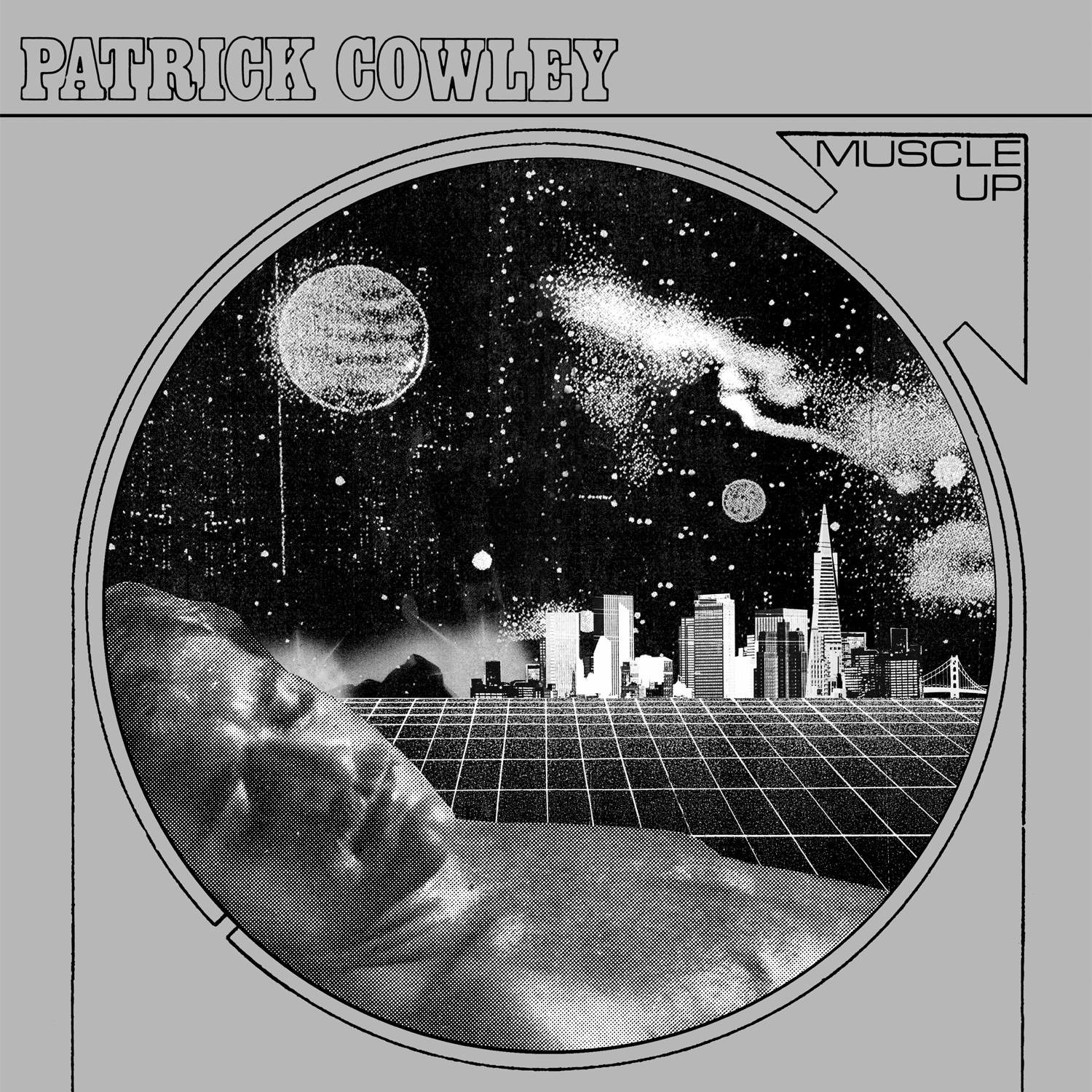
For many years it almost seemed as if Patrick Cowley appeared from nowhere, then achieved a stellar career in music in the brief period of only a few years, tragically cut short when he passed away due to AIDS, only 32 years old. There must be millions who danced or listened to his music, and he was most deservedly hailed as one of the most important artists in the history of club music ever since. Still, Patrick Cowley the person remained strangely unexplored. There were countless entries in books and websites specializing on Disco, yet they all used the same few photographs of him, and the same scarce biographical details. There were no interviews, no friends and collaborators were asked to tell stories. He dropped his musical vision, which was way ahead of its time, arguably still is, leaving only speculation as to what might have been, and where it actually came from.
Admittedly it was not that easy to find out when it actually happened, pre-internet, but when his fame as the synth wizard in the aftermath of the classic Disco era skyrocketed in the early 80s, he was also producing the first album by Indoor Life, the band of his friend Jorge Socarras. It was not music destined to shine under the glistening mirror balls of the hedonistic palaces of that time, it was dark and edgy. It was more Post Punk than Disco. Wait, I meant New Wave, nobody said Post Punk then. By all means it should have been proof enough that there was more to Patrick Cowley than the music he became famous for. Read the rest of this entry »

Macro M44 – Stefan Goldmann – Anchors EP
Moral – Trees In November
Ajukaja & Andrevski – Mesilind
Walt J – Horns Of Plenty
KB Project – Feel It
Universo – Yebo
Lowtec – Man On Wire (Reconstruction)
K.A. Posse – Shake (Joe Smooth Mix)
Geena – Tone Loc
Mosey – Live A Little
Luca Lozano – DJ Fett Burger – Telegronn
PLO Man – Type Damascus
Shanti Celeste – Moods
Chaperone – All Your Emergencies
Boo Williams – Freaky
Donnie Tempo – Tazmanian Virus (Sims JFF Edit)
Harmonious Thelonious – Industrielle Muziek
Minor Science – Closing Acts
DJ Stingray 313 – Acetylcholine
KiNK – Vodolaz (Elektro Guzzi Version)
MD Jr. – Survival Of The Richest
Unspecified Enemies – Ms. 45
Merle – Mimi Likes 2 Dance
House Of Doors – Starcave
Superpanzer – Die Tollen, die nicht so Tollen, und die Häßlichen
Finn, what memories do you have of your first DJ set?
It was mostly playing records at school and private parties from the mid 80s on, playing a variety of Disco, Soul, Synthpop and Post Punk. I’d like to remember that as eclectic, but probably chaotic would be the more apt description. Actually my memories of my first forays into playing out in public are bit hazy by now. After all, that was nearly 30 years ago. What I vividly remember was a Soul allnighter in a basement club of my hometown of Kiel, in ’86 or ’87. Actually it was a whole Mod Weekender, with several events all across town. My friend Ralf Mehnert, who became a well respected Rare Soul collector and DJ, and me took over the Soul part of the proceedings, playing records for a crowd that consisted of mods and other hip folks, but predominatly drunk scooter boys. Somebody saw them standing outside, mistook them for skinheads, and alerted the most notorious local Turkish street gang. They arrived not much later, crashing the door and storming down the stairs, only to face quite a crowd of completely unimpressed heavy parka-clad folks. Ralf and me ducked away in the DJ booth and things got really messy. About 30 minutes later there was no intruder left and the party continued as if absolutely nothing had happened. There were numerous other similar experiences. Kiel was quite a tough city, probably still is.
Can you re-engineer what influence being a small town boy – born and raised in Kiel, in Northern Germany – had on your musical education?
I did not really feel limitations. There were record stores as Tutti Frutti or Blitz which were very well selected with electronic music of the 80s, Punk, and experimental stuff. And quite a number of second hand stores to choose from, where I mostly bought Soul, Disco and obscure 60s and 70s records. Some of those acquired bigger record collections from Danish libraries and sold each record for 2 Deutschmarks, regardless of format. I purchased the bulk of my Disco collection in those years, for example. You did not have to spend much, so you would explore what you would have otherwise not listened to. I had a lot of friends who were very interested in music, and there was a constant exchange of knowledge, good and bad finds. It was all very social. I made regular record shopping trips to Hamburg, too. There were plenty of excellent record shops there, for everything of interest to me. I always looked for dance music of any kind, and Hamburg had stores that were importing records since the Disco era. They had the contacts and the knowledge.
And as for the clubs?
I did not mind being in a smaller town either. There were quite a few. The DJs mostly did not mix much and played all over the board stylistically. There was a tendency to play music in topical blocks. A 30-minutes block of Disco, followed by a 30-minutes block of New Wave, then Hip Hop, then some Rock, then Soul, then slow songs, then everything all over again. Once a few tunes worked together and on the floor, the DJs tended to rely on the according selection and did not change it for what seemed to be years. That drove me mad, but in retrospect I could hear lots of different music in one single night, and that left a mark on me. You learn about the contexts of what you hear, and how they relate to each other. I still make use of that. I travelled a lot, and I have been to a great number of clubs in my life, but when I moved to Berlin I was already in my early 30s. I spent my formative years up North. I did not move because I had to get out either, I left because the job situation was difficult for me. If I would had found an interesting job at that time, I probably would have stayed. I still go back regularly, I have family and friends there, and I still miss the sea.
You were born into club life by the sets of Klaus Stockhausen at Front Club in Hamburg, when you were dancing the nights away at the age of 18. What made this experience so fundamentally alluring to you?
I started going to clubs in Kiel in the early 80s, 12 or 13 years old, then to Hamburg clubs only a few years later. Most clubs in Hamburg were not as different to Kiel as they maintained to be, but the people had arguably more style and the music was more specialized. You went to certain clubs for a certain kind of music. I had been to some gay clubs in Kiel before, but they seemed to be stuck with a soundtrack that had been tried and tested for years, classic Disco anthems and the occasional Schlager drama excursion, and the scene was not that open. You often felt like the stranger entering the saloon, and the crowd often was more made up by people with a common taste in music and fashion that just happened to be gay. A lot of 80s fops and some sugar daddies. It could be fun, but more often it was not. These people had to live with other prejudices and repressions than just getting beaten up for the style of the subculture you had chosen for yourself, like I did, and you did not belong.
And Front Club was different?
Absolutely. When a friend took me to the Front Club in early 1987 that was dramatically different. The crowd was predominantly gay, but if you were not, like me, nobody seemed to care. I was aware of the major role gay subculture played in the evolution of dance music, mostly by reading features about legendary Disco clubs in magazines, but they were about Bianca on that horse for instance, and not about what was booming from the speakers as she rode in, which was exactly what interested me most. Front was the first club where I could actually experience it, and even be a part of it. And Klaus Stockhausen was the first DJ I ever heard who did not only play records, he mixed them. Like no other I heard ever since. It was not that I did not know any of the music before, but he was transforming the records into something else. And the club itself was incredibly intense, I have never witnessed something like that again either. A dark, gritty basement filled to the brim with extravagant people who completely lost their minds on the floor. And my first visits were coincidentally a good timing, because it was the transitional period between the music played there from 83 on, and House. House was introduced there much earlier, but it still was not ruling the playlist. It was brilliant to hear Stockhausen play favourites I loved from the years before, and more often records I never heard, and then the added early Chicago House sounds that seemed to have swallowed decades of dance music history only to spit them out as this raw, primitive version of it. It fit the club perfectly, and soon I was heading over to Hamburg on weekends as much as I could, because I simply could not get enough of the experience. That lasted until around 1995, and then I took up a residency in Kiel for almost ten years, and it kept me well occupied. But just think of all the incredible music released between 1987 and 1995. It really were the blink and miss years of what we still hear today, and I could be witnessing all crucial developments right on the floor, played by the best DJs, and dancing to it in the best club with the best crowd. Good times.
When did you start collecting records? During those blink and miss years?
No, much earlier. The little money I had I spent on records since I was about 6 years old. My parents gave me a record player, and the Forever Elvis compilation, plus radio and cassette recorder and they were my favourite toys by then. Especially the radio was very important. I spent endless hours recording music from the radio, cursing presenters for talking too much over songs I liked. And the hit music played on the radio in the mid 70s was just great. Chic and Roxy Music were probably my favourite bands. And all those weird and wonderful Glam Rock acts. But luckily enough I had also a chance to catch the music from early on that was not deemed fit for airplay. I had an uncle who had the idea to buy record collections at judicial sales, and he often gave me the records he did not like. Thus I could become the proud owner of Can’s Monster Movie or the first Suicide album and several obscure Soul albums when most of my classmates were still just listening to the charts. I know this sounds terribly made up, but it is the truth. And at a very young age you tend to play your favourite records over and over and over, your relationship to music is very intimate and deep. Soon I felt quite confident in my taste, and I was spending more and more time and money on music. But I actually had not the faintest idea how much great music there really was out there to discover, and I had yet to meet the right people to share my passion for it. That changed as soon as I could sneak my way into clubs. Read the rest of this entry »
Recent Comments