@ Farbfernseher
Posted: June 18th, 2014 | Author: Finn | Filed under: Gigs | Tags: Alexander Slaughter, Berlin, Farbfernseher | No Comments »

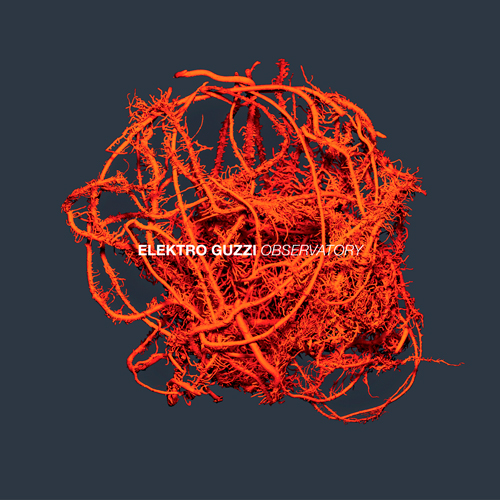
MACRO M39 – Elektro Guzzi – Observatory
October – Unstable Phenomenon (Joey Anderson Remix)
STL – A Million Lights
Jay Daniel – Royal Dilemma
Amir Alexander – Star Tigress
Anton Mitchell – Sahara
Kinetic Electronix – Astral Kin
Ajukaja & Andrevski – Expensive Shit
Ratchett Traxxx – Nut On U
Beautiful Swimmers – The Zoo
Vellico – Beck’s Brew
Crazy Bald Heads – First Born (Four Tet Remix)
Môme – Heading Feel (Stefan Goldmann Remix)
John Beltran – Return To Nightfall
Wada – Moonlight On Your Life Pt. 2
Hashman Deejay – Orbis Tertius
Romanthony – Trust (MCDE Instrumental Dub)
Pepp – You Know My Eyes
K. London Posse – Caught In Luv (Rhythm Mix Dub)
Dionne – Feel Da Rain (D’Pac Dub)
Vincent Floyd Feat. Chan – Your Eyes (Instrumental)
Vincent Floyd Feat. Chan – Your Eyes (Vocal)
Loftis #V – Dreamin (Joe Smooth Vocal Mix)
J.D. Hall – Into You (Jonathan Morning Mix)
Nami Shimada & Soichi Terada – Sunshower
Ajukaja & Maria Minerva – All The Heart Breaks
Eric D. Clark – Another Night, Another Disco (Reprise)


Ich interessiere mich schon seit Jahren nicht mehr sonderlich für Bands. Manchmal lese ich über irgendwelche Hoffnungsträger in irgendeiner dieser für Bands zuständigen Fachzeitschriften und mache einen unmotivierten YouTube-Test, und das führt dann fast immer dazu, dass ich mich weiterhin nicht mehr sonderlich für Bands interessiere. Als mir ein guter Freund vor einiger Zeit die Sleaford Mods als momentan beste Band der Welt empfahl, war ich dementsprechend skeptisch, lag aber komplett falsch. Die Sleaford Mods sind tatsächlich die momentan beste Band der Welt.
Jason Williamson, der das Projekt 2006 ins Leben rief, kann mit Bands prinzipiell auch nicht sonderlich viel anfangen. Wohl deswegen waren die Sleaford Mods eine Weile nur er selbst, dann traf er auf Andrew Fearn, und es wurde ein Duo. „I used to be in bands, fuckin hated it“, lautet die einzige Info auf der Bandcamp-Seite. Die ersten vier zwischen 2007 und 2011 nur auf Cdr erschienenen Alben waren dort bis vor kurzem noch als Download erhältlich, jetzt sind es nur noch die zwei Alben mit Fearn danach. Warum das so ist, liegt vorerst im Dunkeln. Vermutlich war Williamson erst mit den späteren Songs richtig zufrieden, es lungern offizielle Reissues auf ihren Einsatz, oder es gab die Erkenntnis, dass der rasch fortschreitende Bekanntheitsgrad mit heftigen Copyright-Klagen einhergehen könnte, denn aus der Not des Einzelkämpfers heraus bestand das Anfangswerk aus einem wilden Wust von Samples, querbeet der Northern Soul-, R&B, Beat-, Rocksteady-, Hip Hop- und Punkgeschichte wegzitiert, und das nicht in der obskuren Variante. „No samples cleared, bastards are loaded anyway“, lautete eine diesbezügliche Info zu einem vorerst verschwundenen Frühwerk, und mit diesem Duktus muss man schon klarkommen können, wenn man sich für die Sleaford Mods interessiert, denn er läuft quasi nonstop. Gerne werden Williamsons rotzige Schimpfkanonaden mit großen sozialrealistischen Grantlern der englischen Musikgeschichte wie John Cooper Clarke und Mark E Smith verglichen, noch kürzer gegriffen mit Mike Skinner, wohl auch wegen dessen entspanntem Verhältnis zur Musikalität von Beats, aber stets bleibt die Erkenntnis, dass Williamson seine eigene Liga ist. Der Mann hatte offensichtlich eine sehr lange Zeit viele Probleme, und man hofft fast, dass der aufgestaute Frust noch reicht, wenn er nicht mehr so viele hat. Bis dahin hasst er alles und jeden, und das mit Recht. Und sein Fluss von schmerzhaften Beobachtungen und wüsten Beschimpfungen ist so beeindruckend treffend, dass man ihm unbedingt zustimmen muss. Wahrscheinlich gibt es noch viel mehr Idioten und Idiotie da draußen, schon allein deswegen ist er unverzichtbar. Und die Musik ist es auch, ein Musterbeispiel an Kongenialität. Anfangs bestach der Sound der Sleaford Mods dadurch, dass nur die besten Elemente relevanter Meilensteine als Loops isoliert wurden, und dadurch fast noch relevanter klangen, und darunter durchweg primitive, aber immer passende Beats. Andrew Fearn hat diese Idee noch effizienter gemacht, außer einer mickrigen Beatbox, postpunkigen Basslines und ein paar ausgewählt beiläufigen, aber immer zwingenden Sound-Irrlichtern lenkt jetzt noch weniger von Williamson ab, und trotzdem könnte man sich keinen Song anders vorstellen als er geworden ist. Auf der Bühne setzen sie das ebenso konsequent um. Im Hintergrund Fearn, der einen Laptop vor sich hat, sich aber die meiste Zeit höchstens damit beschäftigt, wie der Kumpel auszusehen, den der Sänger damals auf dem Arbeitsamt kennengelernt hat, und seitdem immer auf die Konzerte mitnimmt. Der komplett referenzbefreite Billo-Fly Boy-Look, mit markenloser Jogginghose, albernen T-Shirts, schlechten Kappen und schlechter Rasur, und immer ein Dosenbier in der Kralle und eine Fluppe im Maul, verantwortlich für den authentischen wenig frische Luft-Teint, merkwürdige Gesichtsausdrücke und sehr ungelenke und unmotivierte Dance-Moves. Williamson auch ein Getränk am Mann, teils zum Schmieren der im Dauereinsatz geforderten Stimmbänder, teils weil es eben auch sein muss. Er ist respekteinflößend charismatisch und eine coole Sau, und niemand wird es je wagen, ihn zu unterbrechen. Sein Aussehen und seine Kleidung verraten den Mod-Part in der Zusammensetzung, aber in der sehr beiläufigen Ausprägung, ein paar Insignien reichen, man nennt sich schließlich nicht die Chelsea Mods, und man hat zu viel Verstand, zu wenig Kohle und immer noch genug Working Class-Stolz um The Face sein zu wollen. Es ist fast ein bisschen rätselhaft, wie die beiden es hinkriegen, so dermaßen gut so viele Subkulturen auf einmal zu sein, sowohl textlich, musikalisch und äußerlich, aber sie kriegen es hin.
Die vielen, nicht sonderlich interessanten Bands müssen die momentan beste Band der Welt so sehr hassen, wie diese den Rest der Welt.

There are not many DJs who can look back on such a long and successful career as the 54 year old New Yorker Danny Tenaglia. Towards the end of last year he confirmed his extraordinary status once again during a rare visit to Germany where he played at Berlin’s Panorama Bar and Berghain on the same weekend. His enduring popularity can certainly be attributed to his often several hours long sets which still are packed with the most relevant new records of the current day. After all these years, Tenaglia still has his eyes on the future instead of the past. For this interview, though, he made an exception and looks back to the beginnings of his career.
Apparently you got hooked on dance music at a very young age. What led you into it? Were you coming from a musical household, or did you learn by yourself, by listening to the radio for example?
Growing up in the 1960s and 70s, we (mom, dad and four brothers) had always been around all kinds of music especially during big family gatherings, which were quite often. It was mostly my mom’s side as she was one of nine children. My dad only had one sister and his side was very reserved. All of my mom’s siblings were married and they all had children except for one aunt. This brought me 20 cousins, ten boys and ten girls, and when we all gathered together it was like an army! (laughs) We also had many second relatives and we were all born and raised in Williamsburg, Brooklyn, which is extremely popular these days since it is very close to Manhattan. Back then, Williamsburg was like a big version of Little Italy. When I visit Naples, Italy, it always reminds me so much of my childhood since Naples still looks exactly the same as it did 50 years ago. I can relate so well to the people there and on the island of Ischia as well.
I truly consider that this all started for me when I was only just a tiny fetus inside of what I call: “The Boom Womb Room!“ I guess I was always paying attention to beats, rhythms and melodies long before I knew what they even were. There was always music in my childhood. My mom’s younger sister Nancy was unable to have children of her own. However, she wound up becoming the most influential person in our entire family and had a wonderfully gifted voice. She always had music on. She bought records very often as there was coincidentally a record store right on our block. She even taught herself how to play piano and guitar by ear and this was initially how I learned to play as well.
Our family often had good reason to celebrate events like birthdays, weddings, anniversaries, family picnics, local catholic church festivals from the schools we all attended. I grew up listening to a lot of typical music that elderly Italian people would listen and dance to. Besides the obvious traditional music for dancing like the Tarantellas and the big band Benny Goodman swing music, there was plenty of the 50’s Doo Wop music as that’s what was big for them during this era. So I had no choice but too hear it all. Frank Sinatra, Barbra Streisand, The Beatles, Bossanovas and lots of soul music as well, Motown records particularly. Sometimes I think maybe my family were the ones to have invented karaoke? (laughs) There were many relatives who would love to take turns and sing their hearts out. And to end this deep question, it was most definitely my very dear aunt and godmother Nancy who taught me (and many of us) how to fully appreciate God’s gift of music, how to “feel it deep down in your soul“ and how by the changing of one simple chord that could be played with „great emotion“, it could bring upon unexplainable goose-bumps and quite often – even tears!
Were you aware that the music of those years was extraordinarily important, or was it just what was around then?
I definitely knew in my soul that it was meaningful. But I don’t think I realized how important it all was for me until I passed the age of ten and was realizing what type of music I was loving the most and only wanted to hear music I liked, as I was becoming sick and tired of the Frank Sinatra music and I was not a big fan of ballads and slow music until I eventually got heavily into soul music. I knew that I had possessed an incredibly deep passion for music since birth as relatives and friends would always make it obvious to my parents by saying things like: „One way or another this kid is going to be in the music business when he grows up“, because it basically was the only thing I displayed interest in. I had all kinds of little instruments and child record players, even reel to reel tape machines for kids. However, it did not truly hit me until I was about eleven or twelve when I was quickly finished with some music lessons because I was very young and did not like the discipline and how strict they were with me. They first took me for piano and then guitar lessons. I even attempted saxophone in seventh grade.
I had a great ear for music and which melodies worked together and which ones did not. Unfortunately, I did not posses „the gift“ of mastering an instrument, but I guess that ultimately it was a DJ mixer that became my main instrument of choice that I am stilling playing with today nearly 40 years later.
When you were still a kid, you got to know the prolific DJ Paul Casella, who played a part in turning you onto the profession. Can you tell how that shaped your decision to pursue a career in DJing?
Well, this is where I had then realized instantly at the mere age of twelve years old upon hearing an eight-track tape mixed continuously by Paul that I was somewhat mesmerized by because when I expected a song would end, then another would blend in. Sometimes harmonically on key and sometimes so perfectly that I kept asking my cousin who made this tape and how did he do this and how did he do that? Long story short, I called the telephone number on the 8-Track tape and Paul Casella happened to be nearby and came to our families grocery store and he brought us more 8-Track tapes. He wanted to meet me as he was amazed some little “little kid” was so impressed with him and the art of DJ-ing. I guess it was right around then in 1973 that I never showed much interest in anything else, including sports. I was not interested in any subjects in school, I was only interested in music, becoming a DJ, getting professional DJ equipment and getting gigs in big nightclubs and eventually this obviously led to my second career by nature which was producing music of my own, collecting synths, drum machines and various studio gear.
As you loved the music and heard about what was going down in the seminal clubs of that era, I guess you could not wait until you were old enough to go there yourself. Was it like you had imagined it to be? What kind of clubs could you already go to?
I was barely a teenager, so nightclubs were still a long way for me. But I can recall the anxiety and being extremely envious of my two older brothers, because they would go out often. But their interest was mainly to drink with their friends, meet girls and do what most guys from Brooklyn were doing in 1975. It wasn’t much different than what you can see in the movie Saturday Night Fever, including the fighting! However, when I was about 16 or 17 my older brothers would sometimes sneak me in to a few places which I will remember forever, and then they and other mature relatives and friends would basically chaperone me when I got my first job in a corner bar called The Miami Lounge in Williamsburg, Brooklyn. It was just a few blocks away from our house and the nights were starting at 9 pm, but my parents wanted me home by 1 am. The lounge is still there and it’s walking distance from the new and already famous club Output. The lounge looks exactly the same as it did in the 1970s but it’s now also a restaurant as well. I’m not sure of it’s current name, though.
You then had the privilege to witness some of the most celebrated clubs and DJs in New York like the Loft and the Paradise Garage and numerous others. Are the first impressions of those nights still vivid? Was it every bit as outstanding as it is described up to this day?
Yes, yes and yes! The Paradise Garage, The Loft, Inferno, Better Days, Starship Discovery 1, The Saint, Crisco Disco and many, many more that had come but now are sadly all gone! It’s a shame we don’t have much footage or even great photos of so many of these nostalgic parties and venues. There were so many options back then from all the way in Downtown Manhattan up to 57th Street and from East to West, seven nights a week. We had big venues, small venues, raw underground parties with no decor at all and obvious mega places like Studio 54 and Xenon. Then as the 80s came around we saw lots of changes with all kinds of theme parties at places like The Limelight, Area, Roxy and others. Read the rest of this entry »

MACRO M38 – KiNK – Under Destruction
Jackie Mittoo – Mash Down Babylon
Courtney Melody – Tell Dem
Freddie McKay – Mop & Cry
Cornel Campbell – Righteous Rastaman Dub
Little John – Janet Sinclair Side B
Bunny Lee & The Aggrovators – Idling Dub
Johnny Osbourne – Ice Cream Love Version
Wayne Jarrett – Youth Man
Nitty Gritty – General Penitentiary
Willi Williams – Sweet Home
Sugar Minott – Devil Is At Large
Puddy Roots – When I Release
Nitty Gritty – Can’t Test Me
King Kong – Paro Them Paro
Allan Kingpin – Escort To London
Wayne Jarrett – Jah Live On Dub
Angela Prince – Joker Lover
Nitty Gritty – Under The Moonlight
Trevor Junior – Run Around
Senya & Wailers Band – Children Of The Ghetto
Sammy Dread – Rude Boy
Ras I – Wicked Man
The Aggrovators – Dub
Pablo All Star – Dubbing Bothe
Bunny Lee & The Aggrovators – Lifetime Dub
Super Chick – Me A Champion
White Mice – Nothing Ever Done Before The Time
King Kong – Agony & Pain
Naphtali – Hold Up Your Hand
I Roy – Rootsman
Mystic – Youths Get Tricked
Tony Tuff – Come Along
Joy Card – Black Girl
Sugar Minott – Sheriff John Brown
King Kong – Mi Have A Little Sound
Dave Robinson – Have To Go Thru
King Everall – After All
Red Rose And King Kong – Two Bad Bull
Anthony Red Rose – Dub Organizer Part Two
Terence Smith & Cassette & Tape – V.I.B.
Tenor Saw – Victory Train
Philip Myers – Gheto Struggle
Mikey Murka – Back Your Automatic
Wayne Marshall – Gunshot
Willie Williams & Cousin Marshall – Rocking Universally
Sluggy – Done With The Badness
Rockers International Band – A Fool Says Dub
Wayne Smith – Come Along
Pad Anthony – Charge Dem
Gregory Isaacs – Rumours
Augustus Pablo – A Java Instrumental
Pablo Levi, Clive & Clevie – Danites Dub
Shorty The President – President Mash Up The President
Errol Bellot – What A Wonderful Feeling
Kenny Knots – Watch How The People Dancing
Chuck Turner – Trying To Conquer I


Recent Comments