I would like to maintain that no music is really rare these days. It is likely just a few clicks away, and if you can afford to purchase it, it is just one click further. Nevertheless there is also a whole market built on DJs that play rare music, or who are reliably making music rare. They are often announced as DJs that dig deeper than others. Now finding music that others DJ do not play is or at least should be more or less an integral part of DJing, and to use it as a sales point seems at least debatable. Then again, a whole lot of DJs do not mind playing the same music as others, and if this special market segment injects some diversity or unpredictability, it should be nothing to complain about. The according DJs might also not opt for rarity status intentionally, often they just play out music they like, and a lot of people like the music as well, and they want to own it, too. And as these DJs are usually well documented, too many wantlists soon exceed the supply, and the music gets expensive. Well, of course a lot of DJs are also intentionally playing rare music to maintain a certain status, and in the process they exhaust the surprise potential of the music because other people learn about the music and subsequently seek access to it. It does not make the music cheaper either. Most of the DJs who trigger such chain reactions are able to do that for certain reasons though. Nearly all of them have the necessary well-developed taste buds, experience and the according deck skills to present all of it. Some are old enough and bought the music when it originally came out, some are younger and just knew where to look later on. Regardless of age all these DJs were probably spending a considerable amount of time learning about music, and they were also not afraid to invest a lot of time finding it. But once you made your name on this special circuit, finding rare music is also getting easier. You establish a network with other likeminded DJs and exchange knowledge, and when you enter a record store or an distribution office, you are likely to be given valuable information about rare music, just because you are who you are. At best, you either play enough gigs to afford any kind of music you want, or you pull enough attention to just being given it for free. Some might not even really possess the music in its original form, maybe they just have the files. You cannot really tell these days, I suppose.
But what do you do if you like the music these DJs play? Of course you can wait until some label reissues rare music you are looking for, which is actually very likely nowadays, but it is still music that was already discovered and played out by people as mentioned above, and you cannot really gain status by showing off with records that others already added to the canon of desirable items, particularly if you do not own the original issues. The other thing is that not every record you would like to have gets reissued, or you just do want to wait for it. Or you belong to the majority of DJs that simply cannot afford to buy such originals, but you still want to establish a reputation as a decksman who finds things. If your budget is limited your chance of finding that box of sealed copies or private pressings in a seedy basement or a rural shack is limited as well, because you just cannot travel to such locations. But also in an actual record store, or online, your chance of finding those for little money is near zero. Everything is connected. It is way easier to learn about records nowadays and then buy them, but it is also easier to check what they are worth. That works the same way for shop and customer, so surprise finds are restricted to stores that really do not care much about technical progress. And these are a rare species, probably nearing extinction.
At some point I decided to play less old rare records, regardless if I bought them for a regular price, found them by chance in a bargain bin, or paid a lot of money. I felt they lost their appeal if too many people in the club already knew how special they were, or if too many other DJs already had similar ideas. So I went the other way and started playing cheap records that everybody else seemed to not know, or had forgotten about. Personally, I am now not digging more than ever, but it feels like it. And I loved the reactions of dancers and fellow DJs who checked Shazam or Discogs only to realize the record that just had everybody screaming was available from plenty of sellers in numerous countries for very little money. For some the tune they wanted the minute before instantly became contaminated, inacceptable, uninteresting. Others discovered they could possibly gather a set of several hours for the price they expected a single tune to be worth.
There are a lot of ways to find those tunes. For example there are a lot of discographies by artists and labels that just have one or a few rare items. But what about the rest? Well, just check. The best way to find cheap alternatives that are as good or even better than that holy grail is to look left, right, and even elsewhere. Follow the credits, look for peculiar track titles or designs, isolate individual sounds, notice who did that dub on B3, and if you like what you hear, check what else they did, under what moniker. In the process you will learn about local scenes, sounds attached to a certain period of time, sellers that have an inventory that might offer things you were not even expecting yet. And then you proceed from there, as wherever you might find something you like, there might be more. If you think this reads really obvious, try it out. It is not as easy as you might think it is, and it requires a whole lot more time and initiative than just going with established decision makers. But it is also a whole lot more rewarding, and personal.
I am well aware that presenting some cheap finds here is a tad contradictory in that aspect. But I just want to prove what you can find, and I just can’t help telling people about certain music anyway, and some might even like it as much as I do. And if they look on their own they might find something that I did not know about, and I want them to tell me. Thus the knowledge is spread and things move forward. I am also aware that some records might get rare and expensive by being featured in this column. But you know what? It does not really matter. There are plenty more fish in the sea. And there is more life at the bottom.
Tyrone Ashley – Looks Like Love Is Here To Stay (Safari, 1977)
A lot of people still disregard Ian Levine. He started out as a collector and DJ in the original rare soul scene of the 70s, he was wealthy, gay and outspoken and he modernized (and split up) the whole movement by adapting more contemporary sounds from US club culture, thereby introducing classic disco and later Hi-NRG to the UK and beyond. He also discovered, managed and produced a lot of hugely successful pop acts, and did not mind to deform the original soul singers and tunes he started out with in the business with weird, cheap sounding updates. I quite like him for all of that, but I particularly like his songwriting and productions in collaboration with Fiachra Trench in the 70s disco era. I doubt he will ever get the respect he deserves, probably he does not even care. But listen to this gem: the right clues from the melodies he spent so much money on as a record collector, a state of the art orchestration and arrangement, and it hits all the right spots on the floor. And there’s plenty more disco ecstasy where this came from.
There is a whole lot of claiming who did what when and where first as far as the origins of house music are concerned, and I do not intend to complicate the matter even further. But Colonel Abrams produced an 8-track tape with Boyd Jarvis and Timmy Regisford as early as 1982 which included this, and a lot of the legendary DJs in New York City and Chicago and beyond were rinsing it. Just saying!
Colonel Abrams – Music Is The Answer (1984, Streetwise)
There is a whole lot of claiming who did what when and where first as far as the origins of house music are concerned, and I do not intend to complicate the matter even further. But Colonel Abrams produced and released this track as early as 1984, and even more of the legendary DJs in New York City and Chicago and beyond were rinsing it. Just saying!
Colonel Abrams – Trapped (1985, MCA)
Still a house prototype, but now he paired his inimatibly determined vocal style with the shoulder pads and fierce dance moves of the day and stormed the charts. It was about time!
Colonel Abrams – Speculation (1985, MCA)
The second hit of his breakthrough and glory year. Handclaps galore and another bold funky groove, mixed by NYC club music protagonist Timmy Regisford.
Colonel Abrams – Over And Over (1985, MCA)
A mighty fine demonstration that Colonel Abrams could well navigate his way beyond punchier dancefloor imperatives. A slick and beautiful R&B ballad, both in tune with other productions of mid 80s post-disco reality, yet still very much him doing the own thing he created.
Colonel Abrams – I’m Not Gonna Let (1985, MCA)
This is basically a sequel to „Trapped“, but not a few people would say it is even more irresistible. I am most probably one of many going out to clubs in the mid 80s who observed this did not go away for a long time, and got them all dancing everytime it was played. And it still does.
Colonel Abrams – How Soon We Forget (1987, MCA)
Only adding a bit of the piano stylings introduced by the Chicago house producers he paved the way for, Colonel Abrams still rode his sound in 1987. Only by then he faced a lot more competiton in terms of club music, and his efforts to satisfy the pop market with slower R&B tracks suffered from the lack of distinctive hits. Sadly he seemed to get lost in the middle and his promising career slowed down considerably. Still, this is up with what led him there in the first place.
Funktion Feat. Colonel Abrams – As Quiet As It’s Kept (Soul Creation, 1993)
After a failed attempt to revive his career as a soul singer on a 1992 album on the Scotti Bros. Label, Colonel Abrams retreated to being a vocal feature for hire on house records throughout the 90s. Even if his voice still stood out as ever, many of said releases were lacking the potential to re-establish him on a level worthy of his beginnings though. Thankfully he found a fitting production counterpart on a string of records he made with the US Garage dons Smack Productions/Mental Instrum. And yes, this is the original template for DJ Dove’s holy grail „Organized“.
Mental Instrum Feat. C.A. – Should Be Dancin’ (Freetown Inc, 1994)
Another supreme example for the congenial drive and fierceness of the collaborations between Colonel Abrams (his real name actually) and the Smack camp. Eventually there was album compiling their finest moments together, but it also failed to get his career on track again. By this point he settled on guest spots on club music records, or had to, with mixed results. Sadly nobody had the idea to give him the opportunity, team and budget to reinvent himself as the soul singer he should have been, and he vanished from sight in the years to come.
Omar S Presents Colonel Abrams – Who Wrote The Rules Of Love (2011, FXHE Records)
It was one of the most memorable moments of my time working at Berlin’s Hard Wax record store to discover that Omar S had done this record together with Colonel Abrams after the latter’s several years of silence, and then listening to it, floored by how good it was. In a way his career had gone full circle, with beautiful music produced in way that made both the song and his breathtaking voice shine. I was really sure that this record would not be the last time I ever heard him on a new record, but then it was. I was shocked to learn about the troubles he had, and that they eventually led to him passing away, and I cannot separate this song from his incredibly sad story anymore. But what a song!
As soon as the House sound left the local underground and went to the international charts, the Major record labels began scouting its most prominent artists for remix duties. The main motivation was to lend some credibility to mainstream and commercial club music, the same as it was in the Disco era that led up to House music’s pioneering days. A lot of the prolific remixers, particularly those already active throughout the early to mid 80s, could extend their career well into the following era. But there were a lot of additions too, DJs that began in the Disco era and did not give up on dance music when the classic Disco era ended at the end of the 70s, and of course new talent that just found their into the business by supplying the platters that mattered on the floor. And as it happened with Disco, House formed the basis for reworks of Pop originals that managed to surpass the original versions, either in truthful versions that just updated the beats and grooves, or more adventurous flipside dubs that stamped the self-confidence of the studio newcomers all over their source material. Here are some outstanding examples for the interaction of overground and underground.
Jimmy Somerville – Comment Te Dire Adieu (Kevin Saunderson Remix) (London, 1989)
Kevin Saunderson was hot property after the chart success of his project Inner City, but the A&R department at London probably did not enlist him to show off his underground signature of granite beats and excavating basslines, turning Somerville’s charming rendition of the Serge Gainsbourg classic into a Detroit Techno banger of the variety of Saunderson’s aliases such as E-Dancer and Reese. It’s a stunning soundclash of both original version and remix though, and both sides remain in character, and both benefit from each other. As it should be.
De La Soul – A Roller Skating Jam Named “Saturdays” (6:00 AM Mix) (Tommy Boy, 1991)
Not long after Frankie Knuckles and David Morales formed Def Productions they became to 90s New York House what Gamble & Huff were to 70s Philadelphia Soul, and turned in remixes in a sleepless studio schedule, week in week out. What distinguished them from most of their peers was that they managed to maintain a supreme quality standard while at it, for years. Here David Morales reworks De La Soul coming back from the Daisy Age with their feelgood hit for the weekend, offering three superior deep jams that are all equally brilliant. Buy double copies and just zip on by (spinnin’ and winnin’).
The Sugarcubes – Hit (Sweet’N Low Mix) (One Little Indian, 1991)
Björk the icon of clubland was not inaugurated with „Debut“, but with the remix compilation „It’s-It“ by her former band The Sugarcubes. The remixes compiled were a diverse set from which the Tony Humphries versions of „Hit“ and „Leash Called Love“ stood out (well wait, Tommy D’s remix of „Birthday“ is mighty fine as well). The record company even called them „those absurd large Tony Humphries mixes“, and deservedly so. While „Leash Called Love“ is pumping and rolling towards David Morales territory, a spectacular anthem in its own right, „Hit“ has the more typical sound associated with the New Jersey don, with all the unashamedly artificial string pads and tinny beats he so loved to use around that time, and everything about it is completely irresistible. „This wasn’t supposed to happen“, she sang. But it was.
Debbie Gibson – One Step Ahead (Masters At Work Mix) (Atlantic, 1991)
Debbie Gibson preceded the all-american stardom of Britney Spears by a decade, but when she surfaced in the late 80s the only thing that she could stick in my mind was the rather remarkable song title „Electric Youth“. I suspect Masters At Work felt similarly, as they kept literally no elements of the original song in what became one of their most beloved remixes (although there are admittedly quite a few other contenders in their vast discography). This is one for the true school Deep House fraternity, keeping you locked with a simple but unmatched hypnotic chord, while all the other sounds and rhythms come and go, creating a perfect trip that seems to last much longer than its 5 minutes plus.
David Bowie – Real Cool World (Cool Dub Overture) (Warner Bros., 1992)
Credible dance remixes for the original Star Man are surprisingly scarce, and this is arguably the finest. Def Mix’s Satoshi Tomiie at the controls, thankfully not repeating the cardinal error of most rock stars trying to connect with nightlife: mounting generic guitars on a limp dance groundwork. Instead he opts for a rather skippy groove, but his trademark keyboards are arranged immersed enough to keep up the tension for sublime 13 minutes. And don’t you dare touch that intro!
Jamie J. Morgan – Why (Extended Club Mix) (Tabu, 1992)
The contributions of the Buffalo collective to late 80s and early 90s club culture are not to be underestimated (associate Neneh Cherry did not reinvent herself with „Buffalo Stance“ for nothing). Photographer and director Morgan was another core member, and also had a few ventures into pop music. Eric Kupper, the studio wizard responsible for countless New York club classics, turns the original into a silky floating groove, with just about the right amount of floor pressure to not disturb the beauty and sentiment. As always when Eric Kupper works with this very mood, it is untouchable. And again, don’t you dare to touch that intro.
Pet Shop Boys – Can You Forgive Her? (MK Remix) (EMI USA, 1993)
There are many great remixes of Pet Shop Boys songs, but if there is one grudge to hold against them it is that it could have been so many more. Few successful remixers employed for pop artists had a contrasting signature sound such as Detroit’s MK, who turned source material into something completely his own with perplexing regularity. And as expected he turns the boisterous original into a mean and dark swinging groover. There are a lot of speculations on how Marc Kinchen chooses the lyrical content for his trademark vocal loops, but lesser minds would probably have gone for the „she made you some kind of laughing stock, because dance to Disco and you don’t like Rock“ bit. Instead he opted to accompany the breakdown with „Pain. She demands my pain. She demands meet your pain. She demands my bicycle“. This cannot be random, this is pure genius.
Daniela Mercury – O Canto Da Cidade (Murk Boys Miami Mix) (Sony Latin, 1993)
I do not know what led the A&R department at Sony to choose the Murk Boys to remix one of the most popular songs in the oeuvre of one of Brazil’s most popular female singers, maybe somebody thought at least it has something to do with Latin music?! However intended, it was a bold move. As per usual, Miami’s finest ignore whatever anthemic qualities they could have used with the original parts they were given (apart from a puzzling vocal loop worthy of MK), and strip everything down to their tried and tested booming grooves and monolithic basslines. Compare the original to this mix to get a glimpse of how radical and nonchalant you could treat your employers and get away with it. The intro? Do not dare to touch it!
Deee-Lite – Try Me On (Plaid Remix) (Elektra, 1996)
Deee-Lite assembled a diverse array of remixers for their compilation „Sampladelic Relics & Dancefloor Oddities“, but it was Plaid’s mix that seemed to kick them off their holographic hoopty just before they actually disbanded. This is not playfully psychedelic, it is REALLY tripping. Try to imagine the three of them throwing their wonderful stage moves to this eerie low riding sub bass adventure, it is just not happening. But times had changed, and times were not day-glo anymore. But Deee-Lite went out with as much style as they entered.
Mama Cass – Make Your Own Kind Of Music (Yum Club Mix) (MCA Soundtracks, 1997)
Hot on the heels of the soundtrack to „Beautiful Thing“, which consisted almost entirely of songs sung by The Mamas & Papas’ Mama Cass, came this 12“. Louie „Balo“ Guzman was more renowned for the harder variety of the New York House sound of the 90s, but then again a lot of his own productions and remixes already displayed the healthy amount of eccentricity required for the task of transforming a 60s Pop standard into a 90s club anthem. The way he molded the song into a working club track structure is beyond virtuoso, and the added instrumentation even adds to the song’s beauty. You may think this is really tacky (and flutey), but think again. If played at the perfect moment, this record can change lives. I have seen it happen.
The now defunct UK magazine The Face used to end each issue with a one-liner, but when I read the words “Vocals Matter” there sometime in the mid 90s, it deeply afflicted me. Was there really a need to point this out? In fact there was. A vocalist and a song were basic elements of House Music since its early days in the Mid 80s. Which was not really surprising, after all House was a direct continuation of what started in the mid 70s with Soul and then Disco, and instrumentals where the exception, and not the rule. Then Garage House already displayed its origins in its name, the combination of the music played in both New York’s Paradise Garage and Chicago’s Warehouse. But after its heyday in the first half of the 90s, Garage House’s popularity was gradually declining. The clubs got bigger, and the sounds followed suit. The songs, however, seemed to get weaker in the process, and eventually a good tune became the exception. It might be a bit simplistic to argue that it is much easier to produce a good track than a good song, but comparatively there are not many artists left even trying. I am publishing an ongoing chronological series of mixes consisting of personal Vocal House favourites from the past until the present, and I picked a few overlooked gems for this guide.
Dance Advisory Commission – Free Your Mind (Yesterday’s Mix) (12th Avenue Records 1991)
The sole release on this imprint operated by Ben “Cozmo D” Cenac. Produced by David Anthony, who revived this track for a release on Emotive the following year. But the original record has the better versions. Eternal self-liberation on the floor imperatives, carried by a subtle Hip House aftermath breakbeat, which is just effortlessly swinging.
Swing Out Sister – Notgonnachange (Mix Of Drama) (Fontana 1992)
The Def Mix productions cannot be overestimated in Garage House history. 1992 was probably the year that saw more Vocal led House releases than any other year, as the Majors employed an increasing number of club DJs and producers to sprinkle some nocturnal stardust and dancefloor credentials on their chart bound artists. And so you have the most consistent remixer of the genre, Frankie Knuckles, turning UK Blue-Eyed Soulsters into a showstopping symphony of baroque proportions. His way of arranging pianos and strings into lush elegance is really distinct. It is also totally timeless.
Darryl D’Bonneau – Say You’re Gonna Stay (New Generation 1992)
The original masterpiece, hidden on a mini-compilation by a label supposedly affiliated with New Generation, the home of most of the weird and wonderful Larry P. Rauson productions. The track had a second life on Jellybean in 1995, albeit in way less intense versions. The interaction of main and background vocals here is pure perfection, the vocal performance is anyway. The song is an eight minute plea for forgiveness that is beyond par. I would not believe anybody telling me that she actually did not forgive him after hearing this.
K. London Posse Featuring Dawn Tallman – Caught In Luv (Rhythm Mix Vocal) (K4B Records 1994)
From 1993 on Garage House was played to increasingly bigger crowds, and the sweet melodies of former years were now often replaced by a Gospel led urgency, and heavier sounds. Producers like Masters At Work, Mood II Swing or Louie “Balo” Guzman showed the way, and many producers followed. Including Kingsley O., who released a string of high quality records on his K4B label that paired Diva plus team delivery with considerably twisted dubs. Buying double copies to combine both to best effect became mandatory.
Loveland – Hope (Never Give Up) (Junior’s Factory Vocal) (Eastern Bloc Records 1994)
NYC’s Sound Factory was the temple of the new booming Garage House sound, and Junior Vasquez was its adamant high priest. His rules and requirements for his floor are exemplified by this remix, one of many he did in those years. On this occasion riding on the ever reliable Robin S template developed by Sweden’s Finest remix team Swemix/Stonebridge, but adding those tribal rhythms, those rave stabbing chords and particularly introducing that rollercoaster structure that was diminished to one or two drops in recent years. The vocals do not serve not much more purpose than barely holding it all together, but they are still needed.
Brothers’ Vibe Featuring Teddy McClennan – Can U Feel It (Vocal) (Jersey Underground 1996)
The Rodriguez brothers paying their dues to Larry Heard’s eternal classic of a very similar name. It may lack its puzzling blissful emotionality, but it manages to catch up as deep, dark and dubbed out companion and it kicks you mesmerizingly, with your eyes closed, into realms you were probably not yet ready to enter. And you do not even care if you ever get out again.
Urban Soul – What Do I Gotta Do (Eric Kupper Club Mix) (King Street Sounds 1997)
Roland Clark was an early voice of the New Jersey sound back to the very early 90s, his shattered falsetto perfectly accompanied by the dramatic melancholia of his productions. Eric Kupper, man of many a thousand beautiful moments in House Music history, expectedly manages to add further bittersweet intensity to the equation, and a direct route to wailing with the best of them. If you think that House most songs are superficial and one-dimensional, you might just listen to the wrong ones.
The Klub Family – When I Fall In Love (Main Vocal Mix) (Funky People 1998)
There cannot be enough praise for the contributions of Blaze to the canon of songs in House music. Few were as committed to the tradition of Soul within the genre, and few could update said tradition with a sound so distinctively their own. Thus they were an exception when House came into being and they remained an exception for the years to come. Sometime inbetween, they helped to pave the way to the more spiritual and conscious sound celebrated at NYC clubs such as The Shelter and Body & Soul, and then they ruled it. Never ever write them off.
After a productive but rather short period on DJ International in the early 90s, Craig S. Loftis reappeared with this stunning record (the Blaze inspired “You Are All I Need” from one year later is also well worth tracking down). At that time Joe Smooth had vanished from my radar as well, but even if they had only done this one tune, I would be forever grateful. The way this track maintains a floating excellence over such a monolithic funked up groove is just incredible. And then comes the dub version, and you better watch out.
Big Moses – Deep Inside (Vocal) (Big Moe Records 2004)
Moise Laporte is best known for his sublime “Brighter Days” from 1996, but I cannot recommend this record enough either. I really despise a lot of “Soulful Garage” for its bland Pseudo-Jazz drenched noodlings but here all wrong musicianship temptations are kept in check for a well-balanced sophisticated groover straight for the Modern Soul floor. May the girls and boys keep on swinging, and may the faith be kept.
I loved a lot of David Bowie songs throughout my life. His landmark albums from the early 70s were still a staple of the radio shows I recorded to cassettes from the mid 70s on. Glam anthems, way ahead to my ears then what became of it in the charts around that time. Glam outfits that were equally way ahead. David Bowie was already somewhere else, of course, anticipating the Disco phenomenon I would soon so love, with Philly’s finest. Then following that up with the Berlin trilogy that would inspire legions to create something great, and look great while doing it, too. Then, when I ran around in 60s clothes in my early 80s coastal smalltown youth, I discovered that he already had been there in the best way imaginable, and his early Pye singles were exactly the attitude and sound I was looking for. He was the definite face. He made no mistakes. He even descended to the kids he created with „Ashes To Ashes“, and he blessed them, as they worshipped him. He was a terrific actor on screen as well, making good use of his ever magnetic charisma and sexually confusing identities there, too. Whatever he did, you watched him very closely, else you could have missed out on crucial developments.
When „Let’s Dance“ was announced as being produced by Nile Rodgers, another inerrable hero of mine, I had the highest expectations, but then could not help feeling let down. There were moments, but not enough of them. And in the period of the mid 80s shortly after, pop’s most successful stars could earn a fortune without even the slightest vision (let alone sound), and David Bowie simply became one of them. As soon as he was dancing in the street with Mick I was just embarrassed. Even his outfits were embarrassing. I was really surprised that this could happen. Enter the years of hit and miss. For every glimpse of his former cool self resurfacing, „Absolute Beginners“ or „Hallo Spaceboy“ for example, he took decisions that were unforgiveably below his par, think Tin Machine, among others. Given, you cannot be visionary forever, however visionary you once were. And David Bowie was more constantly visionary than anybody else, for a long time. But the visions at one point were had by others. Not surprisingly he displayed a clever instinct for picking the right ones to utilize for his purposes, but still they were attached. I did not mind, he was performing the elder statesmanship with grace, and as so many artists were still working ideas he already had before, there was nothing left to prove, only if he wanted to. So screw the stock bonds. I sincerely felt happy for him and his family. He deserved it. Then he kind of disappeared.
When he reappeared in 2013, it felt like out of the blue. „Where Are We Now?“ was the first song of his in years I listened to repeatedly. It was beautiful and it felt good to have him back. I was slightly surprised by its sadness, but I thought it was quite a statement to base its sentiment about the most lauded creative period of your career. It challenges comparisons, and I was sure he was still creatively ambitious enough to try and deal with them, no matter what he achieved before. „The Next Day“ was a good album, too. He did not try to reinvent himself, he looked back on what he invented. I visited the Bowie exhibition that was doing the same in Berlin, just in time before it closed, and I enjoyed it very much. It all came back, rather predictably. His stage outfits on display proved he was a small man, but he surely did not have a small mind.
I did not expect that he would follow that retrospective phase so soon, if at all. And I absolutely did not expect that he would follow it up with an album like „Blackstar“. As before, David Bowie chose to remain silent, relying on producer Tony Visconti to reveal the news of its release. I read his trusted cohort doing that in an interview while travelling. He spoke of references like Kendrick Lamar, Death Grips and Boards Of Canada, and that rock and roll was to be avoided. David Bowie recruited a potent jazz quartet from a New York bar for the recordings. It was all rather promising. When I got asked to write these lines I initially wished I could have listened to the entire album when he was still alive, as I was already overwhelmed to the point of numbness by the reactions to his sudden demise. But when I then listened to it, it became obvious very quickly that he was fully aware that he would have passed away once the public would be fully exposed to it. And that it is pivotal to picture the dying artist for the whole experience. The songs are brilliant. Complex and dense, or just stunning, indeed avoiding rock and roll stereotypes, even if the jazz only adds to the picture instead of dominating it. The mood is intense, but it is not entirely dark. Thinking of the motivation behind this album, David Bowie sounds astonishingly swinging, his beloved voice delivering clever lyrics ranging between the horror of his own decay and the feeling of arriving there content, at ease with himself, with truths simultaneously personal and universal. The video to „Lazarus“ is frightening to watch, but comically absurd as well. The last photographs of him taken show him in a sharp suit, lauging. The way he orchestrated his own requiem is incredible, exactly as he wanted to, and as only he could. Being David Bowie, setting lasting examples yet again. Superior, even in death.
The Slits – In The Beginning There Was Rhythm (1980)
At the age of 15, Neneh Cherry was introduced to seminal feminist Post Punk group The Slits by her stepfather Don Cherry, and joined them for a brief period, providing backing vocals on several tracks, including this one. The Slits were integral to the early days of UK’s Punk scene, but they quickly became musically adventurous beyond that and incredibly funky as well, further aided by producer Dennis Bovell’s dub expertise. Edginess was rarely as charming, but The Slits had loads of attitude to boot. One can assume that Neneh Cherry took her clues from the experience.
Rip, Rig & Panic – Those Eskimo Women Speak Frankly (1981)
The next band Cherry joined was a Bristol collective that included two members of the legendary Pop Group. Their music was a feverish mix of Punk Funk, avantgarde elements and Jazz. As with The Slits, Don Cherry was a collaborator, but his stepdaughter was more to the core, switching to lead vocals and displaying the mixture of charismatic Soul and Rap stylings that would make her famous later on. But before that, Neneh Cherry briefly retired to become a young mother, and the band fell apart. In 1983 the band reformed with Neneh Cherry under the name Float Up CP, and released one album, then fell apart again. But if you find a band in those years with a constant line-up, it might have been dull anyway. Rip Rig & Panic sure were not.
Raw Sex, Pure Energy – Give Sheep A Chance (1982)
After collaborating with On-U Sound’s mighty New Age Steppers, Cherry teamed up with its bass guitarist George Oban and the drummer of 70s Fusion Jazz band Karma, Joe Blocker. They covered Edwin Starr’s Motown standard „Stop The War Now“ in reaction to the Falklands War, and „Give Sheep A Chance“ is its wonderful icy computerized dub version on the flip, sheep noises included. In the years leading up to the next entry, Neneh Cherry also became a pirate radio DJ, danced in a Big Audio Dynamite video, and duetted marvellously on The The’s „Slow Train To Dawn“.
Neneh Cherry – Buffalo Stance (1988)
Neneh Cherry, the pop star. Seven months pregnant with her second child but rampant with energy, she performed this ever infectious song on Top Of The Pops and stormed the top ten. „Buffalo Stance“ was referencing Malcolm McLaren’s Gals, stylist Ray Petri’s fashionable collective, and was in fact a cover version of a Stock, Aitken & Waterman produced single by her future husband Cameron McVey from two years earlier, where she already rapped about „Looking Good Diving With The Wild Bunch“ on the B-side. And the famed Bristol sound system was indeed involved with the accompanying „Raw Like Sushi“ solo debut album, as were McVey and Tim Simenon of Bomb The Bass fame at the controls. In 1988 Hip Hop and House still looked at each other and the UK club scene was vibrant, as documented by magazines like I-D, The Face and Blitz. Neneh Cherry was styled by Judy Blame and photographed by Jena-Baptiste Mondino rather iconically, but underlying were lyrics that dissed gigolos and moneymen and celebrated female self-esteem. So don’t you get fresh with her!
Neneh Cherry – Manchild (1988)
Neneh Cherry telling the boys some more news (albeit with a bit more sympathy), in a fantastic downtempo song co-written by Cameron McVey and Robert Del Naja AKA 3D of The Wild Bunch, and soon-to-be Massive Attack (fellow member of both Mushroom provided a booming remix). In the rather weird video she proudly sports her now born second child Tyson and a further refined fly girl outfit with a pair of cycle shorts that were de rigeur in 1989. Ok, men mostly wore the matching cycle tops. The „cause I believe in miracles, words in heavy doses“ ending still rules supreme.
Neneh Cherry – I’ve Got You Under My Skin (1990)
This a contribution to „Red, Hot & Blue“, an AIDS charity compilation on which several artists covered Cole Porter songs. AIDS was still spreading fast, and given the topic the title is very well picked, with Neneh Cherry rapping an introduction that makes it very clear that it is not only love creeping through the body, but also very lethal disease. The heavy and brooding downbeat groove already foreshadows Massive Attack’s „Blue Lines“ album, to which she would also contribute. The video by Mondino is appropriately dark, without any misplaced pretensions. „Share the love, don’t share the needle“, it ends.
Neneh Cherry – Buddy X (1992)
Lifted from her second album „Homebrew“, Cherry again adresses men that like to play around, wrapping her criticism of male hypocrisy and infidelity with fetching Hip Hop pressure. The song still features prominently in club playlists due to its Class A Masters At Works remixes. At the height of their powers they apply their raw swing to a groove that most successfully merges Hip Hop and House sophistication, without ever distracting from the message. Deadly dubs, too.
Youssou N’Dour & Neneh Cherry – 7 Seconds (1994)
Neneh Cherry collaborates with the famous Senegalese singer for a moving celebration of humanity without prejudice. By then the combination of a downbeat and dramatic strings had almost become stereotypical, but the trilingual „7 Seconds“ still proves why it became so efficient in the first place. First, you need a good song. Second, you need good performers. Third, you will see that the tried and tested arrangement will even up the ante. The stylish monochromatic video was directed by Stéphane Sednaoui, and it works.
Neneh Cherry & The Thing – Dream Baby Dream (2012)
Neneh Cherry works with a Scandinavian Jazz trio that named itself after her stepfather. She was a longtime Scandinavian resident and Jazz has a healthy tradition there, it should not have come as a surprise. But after a long hiatus from recording music, it was. The resulting album consisted mainly of well chosen cover versions that seem to stand for Cherry’s whole life in music. They are interpreted quite freely, and Cherry still delivers. Take her version of Suicide’s No Wave classic „Dream Baby Dream“ for example. In my ears it rather sounds like her very early days than former pop star croons the standards for Christmas.
Neneh Cherry – Everything (2014)
The overdue comeback as solo performer, with an album of material that mourns the death of her mother in 2009. Four Tet is at the helm, and his sparse production focusses on rhythmic textures and subtle electronic arrangements, performed by Rocketnumbernine. The album decidedly neglects pop obligations and Neneh Cherry is evidently very motivated, and even if her songs here are very personal, they sure are engaging as well. The remixers on duty for „Everything“, Ricardo Villalobos and Max Loderbauer, must have agreed, as they already let the song seep into their trademark Micro House jam setup after only two and a half minutes.
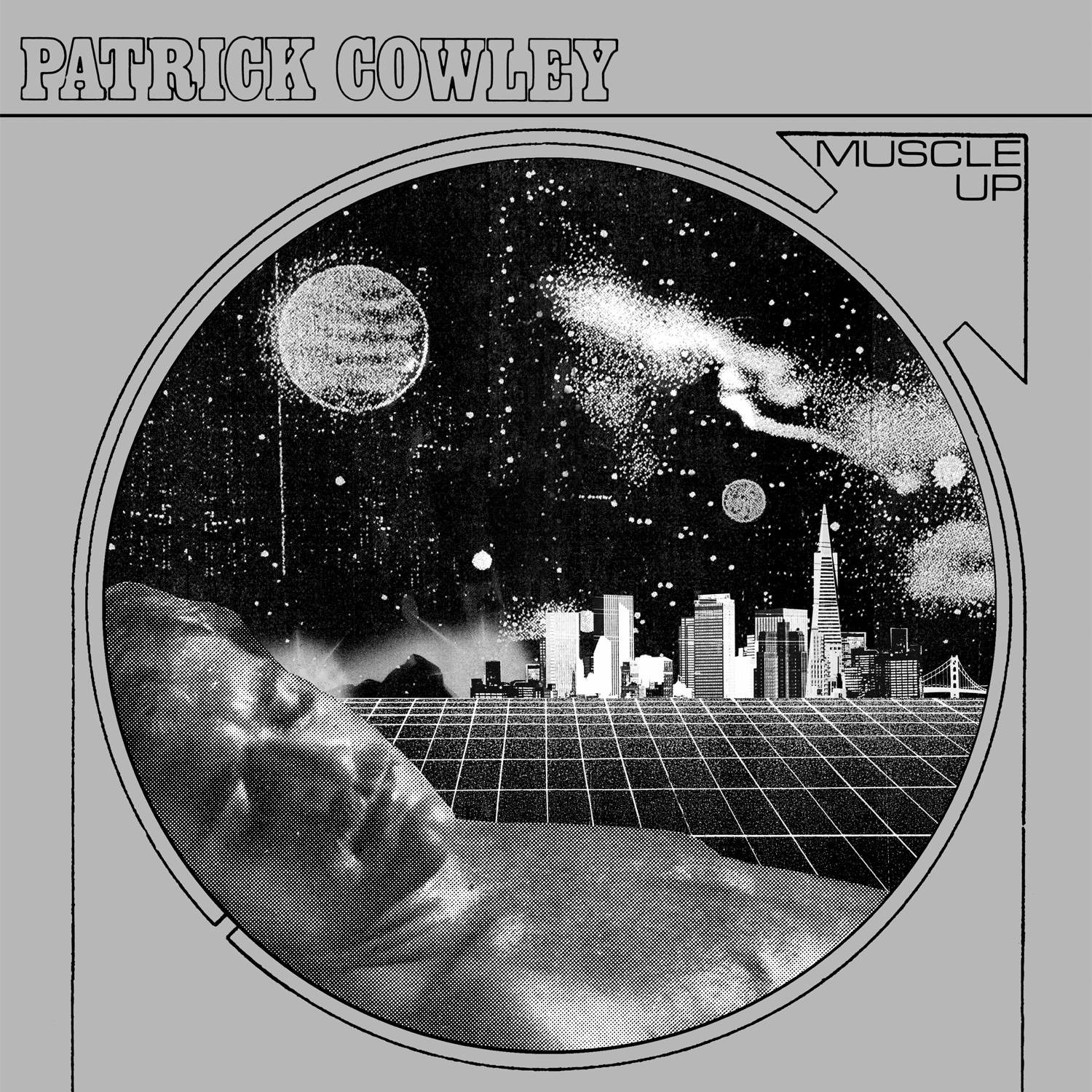
For many years it almost seemed as if Patrick Cowley appeared from nowhere, then achieved a stellar career in music in the brief period of only a few years, tragically cut short when he passed away due to AIDS, only 32 years old. There must be millions who danced or listened to his music, and he was most deservedly hailed as one of the most important artists in the history of club music ever since. Still, Patrick Cowley the person remained strangely unexplored. There were countless entries in books and websites specializing on Disco, yet they all used the same few photographs of him, and the same scarce biographical details. There were no interviews, no friends and collaborators were asked to tell stories. He dropped his musical vision, which was way ahead of its time, arguably still is, leaving only speculation as to what might have been, and where it actually came from.
Admittedly it was not that easy to find out when it actually happened, pre-internet, but when his fame as the synth wizard in the aftermath of the classic Disco era skyrocketed in the early 80s, he was also producing the first album by Indoor Life, the band of his friend Jorge Socarras. It was not music destined to shine under the glistening mirror balls of the hedonistic palaces of that time, it was dark and edgy. It was more Post Punk than Disco. Wait, I meant New Wave, nobody said Post Punk then. By all means it should have been proof enough that there was more to Patrick Cowley than the music he became famous for. Read the rest of this entry »
The early days of House Music in Chicago were dominated by enthusiastic young producers who processed what they heard being played by club DJs like Ron Hardy and Frankie Knuckles and radio DJs as the Hot Mix 5, a raw and highly functional take on the American Disco heritage and European electronic counterparts, its sound determined by limited means to afford musical equipment. There were many records released that had enough brilliant ideas to last to this day, but for its originators it might have been sufficient to have their tracks played by said DJs, and however addictive their rhythms and wild piano chords were, they also seemed not to aim too high in terms of traditional musicianship. Thus from very early on the music of Larry Heard stood out. He was a real musician, with credentials as a professional drummer and keyboard player, and he introduced a level of artistry to the scene that in comparison seemed to be underdeveloped until then. And from the start his music reflected his personality. It was deep, introvert, even melancholic. It did not contain the usual dancefloor imperatives, but it was still very danceable. But club functionality did not appear to be his top priority. Nevertheless all the records he released under different guises from the mid to late 80s became legendary classics, and many more records he released afterwards became legendary classics as well.
Consequently Larry Heard will forever remain one of the most revered artists in the history of House music, yet it always seemed as if he felt his career did not unfold as he hoped it would. He probably shared the same desire to become famous, just like the rest of the Windy City pioneers, but neither he nor his music were extrovert enough to fit the necessary schemes. And this both applied to his most noted alias Mr. Fingers, and Fingers Inc., the group he formed with Robert Owens and Ron Wilson. Mr. Fingers was reserved for his very own interpretations of the House groove, and he created one eternal blueprint after another in the process, impressively showing how deep and pure electronic music could be. Fingers Inc. on the other hand was clearly conveyed to work as a group, in the traditional sense of any other R&B group of those years, only with the sound of House instead of R&B. Just take a look at the pictures of the group on the sleeve, matching sweaters and confident poses, with female limbs wrapped around like an outtake from an Ohio Players artwork. The charts were to be climbed, the sooner and higher the better. But despite reassuring sales in the club scene they did not climb the charts as intended. It is significant that both the albums „Ammnesia“ by Mr. Fingers and „Another Side“ were released on the Jack Trax label from the UK, an imprint specializing on importing landmark Chicago House releases to the European market. Both albums combined tracks previously released on local Chicago House labels like Trax and DJ International with new material. Both albums were released in 1988, the year when a rising interest in the new dance sounds from across the pond turned into the Acid House movement that would change the UK and continental club scenes substantially. And both albums are not regarded as a quick compilation to cash in on a then current hype, they are regarded as peerless masterpieces. Albums that really work as albums, from start to finish, all killer no filler. They are still ultimate references that club music can work perfectly in the format, and whoever is failing is just not trying hard enough. So much for Larry Heard’s talents, you cannot really overestimate them. Read the rest of this entry »
I was there the night Frankie Knuckles played at Hamburg’s Front Club in the early 90’s, the first time you could ever see the DJ in the booth there, which was usually entirely closed except for some really small peep through holes. He entered the booth, set up a small fan, a bottle of cognac, hung a towel around his neck, and proceeded to play. He played very gracefully, letting each record play from beginning to end, at a moderate pace, but perfectly sequenced and mixed. I remember the crowd taking a while to get used to this DJing style, as the sets by the Front residents where usually comparably more dynamic and going back and forth, but it really told me a lesson how to let the music shine when it needs to shine and I was deeply impressed. And I remember that I felt very happy to be able to hear and also see him doing it. Still am. R.I.P.”
Now a year has passed, and a lot of things have happened since his passing. I was sure that I would never forget how much he mattered to me with everything he did, but I was also accepting that it would occupy my mind less and less with time passing by. Except it didn’t. I kept pulling old records with his “Classic Club Mix” credentials from the shelf, humming TUNES, and not tracks, taking a bow at the elegance and SOUL of the Def Mix arrangements and constantly wondering why there is so little left in my environment of what he established. So I decided to do pay my dues and start an irregular series of Hot Wax shows that simply ask: “What would have Frankie done?” I could only guess, so forgive any inadequacies.
This is a compilation of mostly electronic Japanese Post Punk, released in 1983. It contains a mixture of poppy and really weird music. I found it in the bargain bin of the now defunct Berlin record store Dense about 10 years ago. I am collecting Japanese 70s/80s Synthpop for quite a while, and it was a real suprise to find such an item there, because the according Japanese scene is very hermetic and local, and as a European citizen you either go there, or buy from Japanese sellers. I only got stuck while browsing through the bin as I read Picky Picnic being included, hailed as the Japan’s answer to The Residents, of which I own a record they once released on the German label Ata Tak. Second glance revealed these were all Japanese artists, all the better. But the best part was of course that the whole record was totally interesting and worthwhile. It contains everything I love about Japanese music from that period. Wild experiments, girlish charms, awkward references to Western culture, otherworldly interpretations of Eastern culture, and most of all just performances you cannot really compare with European counterparts. I’d like to discover more records like these, but it is getting more and more difficult, and costly, too.







Recent Comments